
Choosing the best oil for frying is essential for preparing delicious, crispy and flavourful meals. Whether you are frying chicken, cooking fish, preparing French fries, making fried snacks or operating a commercial restaurant, the cooking oil you select can influence food quality, taste, texture and nutritional value.
Different cooking oils have different properties. Some are better suited to high-temperature frying, while others are ideal for shallow frying, sautéing and everyday cooking. Understanding smoke points, fatty acid composition, flavour and heat stability can help you select the right oil for your kitchen or food business.
Popular frying oils include sunflower oil, soybean oil, peanut oil, canola oil and refined olive oil. These options are widely used by households, restaurants, catering businesses, food manufacturers and commercial kitchens.
For businesses purchasing cooking oil in larger quantities, selecting a dependable wholesale supplier is equally important. Food Beverages GMBH provides wholesale cooking oil sourcing opportunities for retailers, supermarkets, restaurants, importers and international distributors.
In this guide, we explore the best oil for frying, the healthiest oil for frying, the best oil for deep frying, good oil for frying chicken and the best oil for frying fish. We also explain how to choose cooking oil for household and commercial applications.
Table of Contents
- What Is the Best Oil for Frying?
- Understanding Cooking Oil and Smoke Points
- Healthiest Oil for Frying
- Best Oil for Deep Frying
- Good Oil for Frying Chicken
- Best Oil for Frying Fish
- Best Cooking Oils Compared
- What Makes an Oil Suitable for Frying?
- Tips for Choosing and Using Frying Oil
- Wholesale Cooking Oil for Restaurants and Businesses
- Why Choose Food Beverages GMBH?
- Frequently Asked Questions About Cooking Oil
1. What Is the Best Oil for Frying?
The best oil for frying depends on the type of food you are preparing, the cooking temperature, your nutritional preferences and the flavour you want to achieve.
For general frying, refined sunflower oil, refined soybean oil, canola oil and refined peanut oil are popular options. They offer relatively neutral flavours and are suitable for various cooking applications.
Here are five commonly used frying oils:
Sunflower Oil: Refined sunflower oil is popular for frying because of its mild taste and versatility. It is commonly used for frying vegetables, chicken, potatoes, fish and snacks.
Soybean Oil: Soybean oil is widely used in household kitchens and commercial food preparation. Its neutral flavour makes it suitable for deep frying, shallow frying and food manufacturing.
Peanut Oil: Peanut oil is appreciated for its performance in high-temperature cooking. It is frequently used for frying chicken, seafood and other foods.
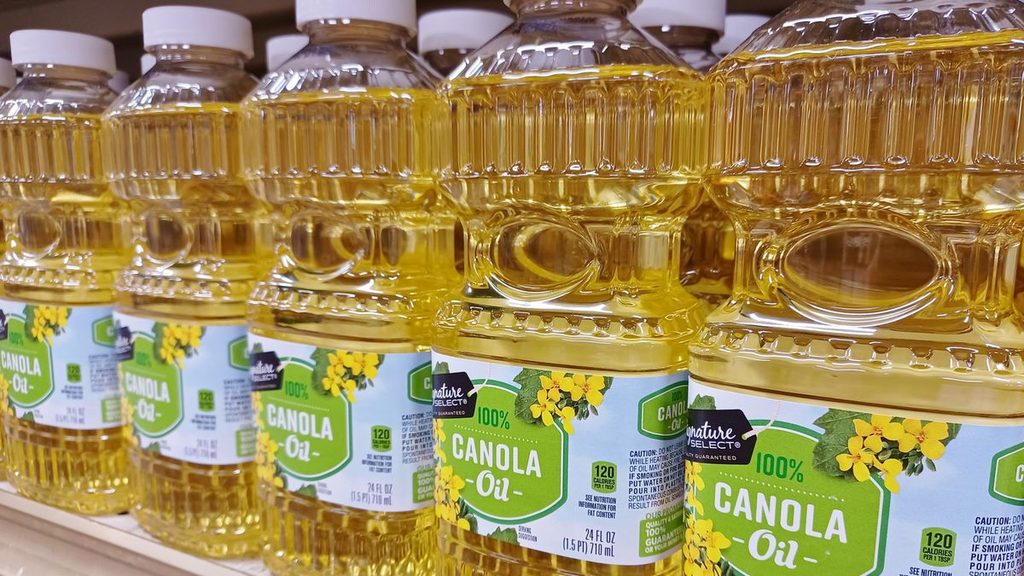
Canola Oil: Canola oil is a versatile cooking oil with a mild flavour. It contains relatively low saturated fat and is suitable for frying, roasting and everyday cooking.
Olive Oil: Refined olive oil can be used for frying and sautéing. Extra virgin olive oil is particularly appreciated for its flavour and is often used for lower-temperature cooking and finishing.
There is no single oil that is best for every frying application. The right choice depends on the cooking method, product requirements and oil quality.
2. Understanding Cooking Oil and Smoke Points
The smoke point is the temperature at which an oil begins to produce visible smoke. When oil is heated beyond its smoke point, it can break down, develop unpleasant flavours and produce undesirable compounds.
Understanding smoke points helps consumers select appropriate oils for different cooking temperatures.
Approximate smoke point ranges include:
| Cooking oil | Approximate smoke point |
|---|---|
| Refined sunflower oil | 220–230°C |
| Refined soybean oil | 230–235°C |
| Refined canola oil | 200–230°C |
| Refined peanut oil | 225–235°C |
| Extra virgin olive oil | 190–210°C |
| Refined olive oil | 220–240°C |
For deep frying, temperatures commonly range from 170°C to 190°C. Therefore, choosing an oil with suitable heat stability is important.
However, smoke point is not the only consideration. The fatty acid composition and oxidative stability of an oil also influence how well it performs during repeated heating.
For commercial kitchens, oil should be monitored regularly and replaced when it develops excessive darkening, persistent foaming, unpleasant odours or other signs of deterioration.
3. Healthiest Oil for Frying
The healthiest oil for frying is generally one that provides a favourable fatty acid profile, remains stable under the intended cooking conditions and is used appropriately.
No cooking oil should be considered automatically healthy simply because it has a high smoke point.
Here are some popular choices.
Canola Oil
Canola oil is often considered a good option for everyday cooking because it contains predominantly unsaturated fats.
It contains monounsaturated fats and polyunsaturated fats, including omega-3 alpha-linolenic acid.
Benefits include:
- Relatively low saturated fat content.
- Mild flavour that does not overpower food.
- Suitable for frying and roasting.
- Versatile for household and commercial kitchens.
- Available in refined varieties for higher-temperature applications.
Canola oil is a practical choice for people looking for a versatile everyday cooking oil.
Sunflower Oil
Sunflower oil is another popular option for frying.
It contains vitamin E and predominantly unsaturated fats, although its fatty acid composition depends on the sunflower variety.
High-oleic sunflower oil contains more monounsaturated fat than conventional sunflower oil and generally offers better oxidative stability during heating.
Benefits include:
- Neutral flavour.
- Suitable for frying and baking.
- Useful for commercial food preparation.
- Available in different refined varieties.
- Convenient for restaurants and catering businesses.
For frequent frying, high-oleic sunflower oil can be particularly useful because of its improved resistance to oxidation.
Olive Oil
Olive oil is widely recognised for its monounsaturated fat content and characteristic flavour.
Extra virgin olive oil contains naturally occurring antioxidant compounds, including polyphenols.
Refined olive oil generally has a higher smoke point than extra virgin olive oil and a milder flavour.
Benefits include:
- High monounsaturated fat content.
- Versatile cooking applications.
- Suitable for sautéing and selected frying applications.
- Distinctive flavour in food preparation.
Soybean Oil
Soybean oil contains polyunsaturated fats, including omega-6 and omega-3 fatty acids.
It is widely used in commercial food production because of its availability, versatility and relatively neutral flavour.
Benefits include:
- Suitable for different cooking applications.
- Neutral flavour.
- Useful for frying and baking.
- Commonly available in bulk quantities.
- Popular among restaurants and food manufacturers.
For repeated commercial frying, properly formulated high-oleic varieties may offer improved oxidative stability compared with conventional soybean oil.
Peanut Oil
Peanut oil is commonly used for frying because refined varieties can perform well at relatively high temperatures.
It contains monounsaturated and polyunsaturated fats.
Benefits include:
- Suitable for deep frying.
- Mild flavour when refined.
- Useful for frying chicken and seafood.
- Popular in commercial kitchens.
Important: Peanut oil is derived from peanuts, a major food allergen. Food businesses should verify allergen information and product suitability before using it.
4. Best Oil for Deep Frying
The best oil for deep frying should tolerate sustained high temperatures, have a suitable flavour profile and remain stable during cooking.
Deep frying involves completely immersing food in hot oil. This method is commonly used to prepare chicken, fish, chips, doughnuts, spring rolls, plantain, potatoes and other fried foods.
The most popular oils for deep frying include:
Refined Sunflower Oil
Refined sunflower oil is a popular choice for deep frying because of its neutral flavour and versatility.
It allows the natural taste of food to remain prominent and can be used in restaurants, hotels, catering businesses and household kitchens.
High-oleic sunflower oil is worth considering for commercial frying operations because its fatty acid composition generally provides better resistance to oxidation.
Refined Peanut Oil
Peanut oil is frequently used for deep frying because refined varieties can tolerate relatively high cooking temperatures.
It works well for chicken, fish, potatoes and other fried foods.
However, businesses must consider allergen management, particularly when serving customers with peanut allergies.
Refined Soybean Oil
Soybean oil is widely used by food manufacturers and commercial kitchens.
Its mild taste makes it suitable for frying different foods without introducing a strong additional flavour.
It is also commonly available in larger packaging formats, making it practical for businesses with significant cooking oil requirements.
Refined Canola Oil
Canola oil is another useful deep-frying option.
It has a mild taste and contains relatively low saturated fat. It can be used for frying chicken, fish, vegetables and potatoes.
Which Oil Is Best for Deep Frying?
For general commercial applications, refined sunflower oil, high-oleic sunflower oil, refined peanut oil and suitable refined canola oil are all worth considering.
The final choice should depend on fatty acid composition, product specifications, frying frequency, temperature control, allergen requirements and operating costs.
5. Good Oil for Frying Chicken
Chicken is one of the most popular foods prepared through deep frying.
Whether you are making fried chicken wings, drumsticks, chicken breasts or boneless chicken pieces, selecting the right oil helps achieve a crispy exterior and properly cooked interior.
A good oil for frying chicken should have:
- A suitable smoke point.
- A mild or neutral flavour.
- Good heat stability.
- Appropriate food-grade quality.
- Compatibility with the required frying temperature.
Best Oils for Fried Chicken
Peanut Oil: Refined peanut oil is a popular option for fried chicken because it performs well at high temperatures and has a mild taste. Allergen considerations are essential.
Sunflower Oil: Refined sunflower oil is suitable for chicken wings, drumsticks and breaded chicken. Its neutral flavour makes it a practical option.
Canola Oil: Canola oil is useful for frying chicken because of its mild flavour and favourable unsaturated fat profile.
Soybean Oil: Soybean oil is widely used in commercial kitchens for frying chicken and other poultry products.
Tips for Perfect Fried Chicken
- Allow the chicken to reach an appropriate preparation temperature before frying.
- Season and coat the chicken according to your recipe.
- Preheat the oil to approximately 170–180°C.
- Avoid overcrowding the fryer.
- Maintain a consistent oil temperature.
- Cook until the chicken reaches a safe internal temperature of 74°C.
- Drain the fried chicken properly before serving.
Maintaining the correct temperature is important. If the oil is too cool, chicken can absorb more oil and become greasy. If it is too hot, the outside may brown before the inside is fully cooked.
Commercial kitchens should use appropriate food thermometers and follow food safety procedures.
6. Best Oil for Frying Fish
Fish is delicate and requires an oil that complements its natural flavour without overpowering it.
The best oil for frying fish should have a mild taste, suitable heat stability and the ability to support even cooking.
Popular options include:
Sunflower Oil
Sunflower oil is an excellent general-purpose option for frying fish.
Its mild flavour allows the natural taste of fish to remain noticeable.
It can be used for frying:
- Tilapia.
- Cod.
- Haddock.
- Catfish.
- Fish fillets.
- Breaded fish portions.
Canola Oil
Canola oil is suitable for pan-frying and deep-frying fish.
Its mild flavour and relatively low saturated fat content make it a practical choice for everyday cooking.
Peanut Oil
Refined peanut oil can be used for deep-frying fish because of its high-temperature performance.
However, allergen considerations should be taken seriously, especially in restaurants and food service operations.
Soybean Oil
Soybean oil is suitable for frying different fish varieties and seafood products.
It is a useful choice for businesses that require versatile cooking oil for several menu items.
How to Fry Fish Properly
For good results:
- Clean and prepare the fish properly.
- Remove excess surface moisture.
- Season or coat the fish as required.
- Heat the oil to approximately 175–185°C for deep frying.
- Avoid placing too many pieces in the fryer at once.
- Cook until the fish is properly done and has a crisp exterior.
- Drain excess oil before serving.
The correct cooking time depends on the fish thickness, variety and preparation method.
7. Best Cooking Oils Compared
Choosing between different cooking oils can be challenging because each variety has different nutritional characteristics, flavours and cooking applications.
The following comparison can help households and businesses make informed purchasing decisions.
| Cooking oil | Best application | Main advantage |
|---|---|---|
| Sunflower oil | Chicken, fish, chips | Neutral flavour |
| High-oleic sunflower oil | Frequent deep frying | Improved oxidative stability |
| Soybean oil | Commercial frying | Versatility |
| Peanut oil | Chicken and seafood | Good high-temperature performance |
| Canola oil | Everyday frying | Favourable unsaturated fat profile |
| Olive oil | Sautéing and frying | Monounsaturated fats |
Sunflower Oil vs Soybean Oil
Both sunflower oil and soybean oil are widely used in commercial food preparation.
Sunflower oil is particularly popular for its neutral taste and suitability for frying. Soybean oil is also versatile and commonly used in food manufacturing.
The better choice depends on the specific oil formulation. High-oleic sunflower oil, for example, can offer improved heat stability compared with conventional high-linoleic sunflower oil.
Peanut Oil vs Canola Oil
Peanut oil is a popular option for deep frying, while canola oil is frequently selected for everyday cooking.
Peanut oil may be useful for high-temperature applications, but its allergen status must be considered. Canola oil provides a favourable fatty acid profile and a mild taste.
Olive Oil vs Sunflower Oil
Olive oil is valued for its monounsaturated fat content and flavour, while sunflower oil is popular for its versatility and relatively neutral taste.
Refined olive oil can be suitable for frying, while extra virgin olive oil is particularly appreciated for dressings, sauces, sautéing and moderate-temperature cooking.
8. What Makes an Oil Suitable for Frying?
Not every cooking oil is suitable for every frying application. Several factors determine whether an oil is appropriate for household or commercial frying.
1. Smoke Point
The smoke point indicates when an oil begins producing visible smoke.
For deep frying, oils should have a smoke point comfortably above the intended cooking temperature.
2. Fatty Acid Composition
Cooking oils contain different proportions of saturated, monounsaturated and polyunsaturated fatty acids.
Oils rich in monounsaturated fats, particularly high-oleic varieties, generally have better resistance to oxidation than oils with high polyunsaturated fat content.
3. Flavour and Aroma
Neutral oils are often preferred for frying because they allow the natural taste of food to remain prominent.
This is particularly important for restaurants preparing different dishes using the same cooking oil.
4. Refining Process
Refined oils generally have fewer free fatty acids and impurities than unrefined varieties.
Refining can improve flavour neutrality and increase smoke point, making refined oils suitable for various high-temperature applications.
5. Oxidative Stability
When cooking oil is exposed to high temperatures, oxygen and food particles, it gradually deteriorates.
Oils with better oxidative stability can perform more consistently during frying.
6. Price and Availability
For commercial kitchens, the cost of cooking oil is an important purchasing consideration.
Restaurants and food manufacturers should compare product quality, packaging, quantity, delivery arrangements and supplier reliability rather than selecting oil based on price alone.
9. Tips for Choosing and Using Frying Oil
Selecting the best oil for frying is only one part of preparing quality fried food. Proper storage, temperature management and oil maintenance are equally important.
Here are practical recommendations for households and commercial kitchens.
Choose the Right Oil for Your Food
Different foods require different cooking approaches.
- Chicken: Refined sunflower, canola, soybean or peanut oil.
- Fish: Sunflower, canola or soybean oil.
- French fries: Refined sunflower, soybean or canola oil.
- Vegetables: Canola, sunflower or olive oil.
- Doughnuts: Neutral refined oils suitable for deep frying.
- Commercial snacks: Oils selected according to product formulation and frying requirements.
Maintain the Correct Frying Temperature
Most deep-frying applications work well between 170°C and 190°C.
Avoid excessive heating because high temperatures accelerate oil deterioration.
Do Not Overcrowd the Fryer
Adding too much food at once can reduce the oil temperature.
This may produce greasy food and increase cooking time.
Prepare smaller batches to maintain consistent frying conditions.
Filter Cooking Oil Regularly
Food particles left in frying oil can burn and affect the flavour and quality of subsequent batches.
Commercial kitchens should follow suitable oil filtration and maintenance procedures.
Avoid Repeated Excessive Heating
Cooking oil gradually deteriorates when repeatedly exposed to high temperatures.
Do not continue using oil simply because it still looks usable.
Replace oil when it develops persistent foaming, unpleasant odours, excessive darkening, unusual viscosity or other signs of deterioration.
Store Cooking Oil Properly
Cooking oil should be stored in:
- Clean, food-grade containers.
- A cool and dry environment.
- Tightly sealed packaging.
- Areas away from direct sunlight.
- Locations away from excessive heat and moisture.
Correct storage helps preserve product quality and extend its usable shelf life.
10. Wholesale Cooking Oil for Restaurants and Businesses
Cooking oil is an essential ingredient for restaurants, supermarkets, hotels, food manufacturers, wholesalers and catering businesses.
Companies that prepare fried chicken, fish, chips, snacks and other fried products require consistent access to quality cooking oil.
Purchasing wholesale cooking oil can help businesses simplify procurement, maintain inventory and manage operating costs.
Why Buy Cooking Oil in Bulk?
Bulk purchasing offers several potential advantages.
Better Procurement Planning: Businesses can arrange larger orders to support regular production and cooking requirements.
Consistent Availability: Establishing a wholesale supply relationship can help reduce the risk of running out of essential cooking ingredients.
Commercial Packaging Options: Depending on availability, cooking oil may be supplied in retail bottles, jerrycans, drums, IBC containers and other bulk formats.
Support for Food Businesses: Restaurants, supermarkets, distributors and manufacturers can source products according to their operational requirements.
Popular Wholesale Cooking Oil Products
Food Beverages GMBH provides wholesale sourcing opportunities for different cooking oil varieties.
Here are six relevant website links for customers interested in exploring its cooking oil range.
Explore Cooking Oil Products from Food Beverages GMBH
BN Group | Leading edible oil manufacturing company in India
1. Wholesale Refined Sunflower Oil
A versatile cooking oil option for frying, restaurants and food preparation.View Sunflower Oil
2. Premium Grade A Soybean Oil
Suitable for frying, cooking, baking and food processing.View Soybean Oil
Natco Groundnut Oil 1L | Pure Refined Groundnut Oil UK – Grocery Wala
3. Wholesale Peanut Oil
A popular option for high-temperature frying and commercial kitchens.View Peanut Oil
Refined Canola Oil Manufacturer,Wholesale Supplier,Exporter
4. Premium Canola Oil
A versatile vegetable oil for everyday cooking and frying.View Canola Oil
Organic Olive Oil, Extra Virgin Cold-Pressed – 500ml – Ceres Organics
5. Grade A Olive Oil
Suitable for cooking, food preparation, dressings and selected frying applications.View Olive Oil
Al-Abo International Trade | Import & Export Syria
6. Wholesale Cooking Oil Category
Explore the company’s cooking oil range and available wholesale products.Explore Cooking Oil Products
Product availability, specifications, packaging formats and minimum order quantities should be confirmed directly with the supplier.
Who Can Purchase Wholesale Cooking Oil?
Wholesale cooking oil is suitable for:
- Supermarkets and grocery retailers.
- Restaurants and fast-food businesses.
- Hotels and catering companies.
- Food processing facilities.
- Cooking oil distributors.
- Importers and exporters.
- Food wholesalers.
- Commercial kitchens.
- Food manufacturers.
Businesses can enquire about product grades, packaging requirements, order quantities and delivery destinations.
11. Why Choose Food Beverages GMBH?
Choosing a dependable wholesale cooking oil supplier is important for businesses that require consistent sourcing, competitive commercial quotations and efficient order coordination.
Food Beverages GMBH is an international food and beverage trading company established in 2016. The company supplies a diverse range of products, including cooking oils, beverages, frozen foods and other essential commodities.
Here are some reasons businesses may consider working with Food Beverages GMBH.
Reliable Wholesale Sourcing
Food Beverages GMBH works with sourcing partners to support the procurement needs of retailers, restaurants, supermarkets, importers and distributors.
Wide Product Selection
Customers can explore different cooking oil varieties, including sunflower oil, soybean oil, peanut oil, canola oil and olive oil, subject to availability.
Competitive Wholesale Quotations
Businesses can request quotations based on their preferred cooking oil, product grade, order quantity, packaging and delivery destination.
International Trading Experience
The company supports wholesale purchasing enquiries from domestic and international customers seeking food and beverage products.
Commercial Supply Solutions
Whether you operate a supermarket, restaurant, catering business or food distribution company, Food Beverages GMBH can discuss sourcing requirements according to your purchasing needs.
Professional Customer Support
Clear communication and order coordination are important when establishing long-term wholesale relationships.
Businesses interested in purchasing cooking oil can contact the company to discuss product availability, specifications and commercial requirements.
Contact Food Beverages GMBH:
- Website: https://foodbeveragesgmbh.com/
- Email: info@foodbeveragesgmbh.com
- Telephone: +49 16713 225429
- Address: An der Knippenburg 104, 46238 Bottrop, Germany.
Whether you need sunflower oil for frying, soybean oil for food production or peanut oil for commercial kitchens, Food Beverages GMBH offers a starting point for wholesale sourcing enquiries.
12. Frequently Asked Questions About Cooking Oil
1. What is the best oil for frying?
Refined sunflower oil, canola oil, soybean oil and peanut oil are popular frying options. The best choice depends on cooking temperature, flavour preference, fatty acid composition and the type of food being prepared.
2. What is the healthiest oil for frying?
Canola oil and high-oleic sunflower oil are good options because they contain substantial amounts of unsaturated fats. Olive oil is another option valued for its monounsaturated fat content.
3. What is the best oil for deep frying?
Refined sunflower oil, high-oleic sunflower oil, refined peanut oil, canola oil and soybean oil are commonly used for deep frying.
4. What is a good oil for frying chicken?
Refined sunflower oil, peanut oil, canola oil and soybean oil are suitable options for frying chicken. They offer relatively mild flavours and can be used for deep-frying applications.
5. What is the best oil for frying fish?
Sunflower oil and canola oil are popular choices because their mild flavours complement fish. Soybean oil and refined peanut oil are also suitable alternatives.
6. Is sunflower oil good for deep frying?
Yes. Refined sunflower oil is widely used for deep frying because of its neutral flavour and relatively high smoke point. High-oleic sunflower oil is particularly useful for frequent frying because it offers improved oxidative stability.
7. Is soybean oil good for frying?
Yes. Soybean oil is commonly used for frying, baking and commercial food production. Its neutral flavour makes it suitable for preparing different types of food.
8. Is peanut oil better than sunflower oil for frying?
Both oils can be suitable for frying. Peanut oil is popular for high-temperature cooking, while sunflower oil is valued for its neutral flavour and versatility. High-oleic sunflower oil can offer excellent frying stability. Peanut allergen considerations are also important.
9. Can olive oil be used for deep frying?
Yes. Refined olive oil can be used for deep frying when its specifications are appropriate for the cooking temperature. Extra virgin olive oil is more commonly used for dressings, sautéing and other cooking applications.
10. What temperature is best for deep frying?
Most deep-frying applications use temperatures between 170°C and 190°C. The exact temperature depends on the food, its thickness and the desired cooking result.
11. How often should frying oil be changed?
There is no universal replacement schedule. Oil deterioration depends on temperature, frying duration, food particles, moisture and filtration practices. Replace oil when it shows signs of deterioration, following food safety and equipment guidance.
12. Can I reuse cooking oil after frying?
Cooking oil can sometimes be reused if it has been handled, filtered and stored correctly and has not deteriorated. However, repeatedly heating oil accelerates oxidation and breakdown. Always inspect its condition before reuse.
13. What is the difference between refined and unrefined cooking oil?
Refined oil undergoes processing to remove impurities, reduce odours and improve suitability for cooking applications. Unrefined oil generally retains more of its natural flavour, aroma and other compounds.
14. Where can I buy wholesale cooking oil?
You can contact Food Beverages GMBH for wholesale cooking oil sourcing enquiries. The company offers information about available sunflower oil, soybean oil, peanut oil, canola oil and olive oil products.
Visit Food Beverages GMBH Cooking Oil to explore its product range.
15. What packaging options are available for wholesale cooking oil?
Depending on the product and supplier, cooking oil may be available in 1-litre and 5-litre bottles, 10-litre and 20-litre jerrycans, 200-litre drums and 1,000-litre IBC containers. Confirm actual availability and specifications before ordering.
16. Which cooking oil is best for commercial restaurants?
Sunflower oil, soybean oil, canola oil and high-oleic sunflower oil are commonly considered for commercial kitchens. Restaurants should compare price, frying performance, nutritional profile, availability and food safety requirements.
17. Is canola oil good for frying potatoes?
Yes. Canola oil is suitable for frying potatoes and French fries because of its mild flavour and versatility. Maintain an appropriate frying temperature for crispy results.
18. What should I consider when buying cooking oil in bulk?
Consider the oil variety, refining grade, product specifications, origin, packaging, minimum order quantity, price, transportation and supplier reliability.
Conclusion: Find the Best Oil for Frying
Choosing the best oil for frying is important for preparing delicious food while maintaining suitable cooking quality and nutritional considerations.
Sunflower oil, soybean oil, peanut oil, canola oil and olive oil all have useful applications in household and commercial kitchens.
For deep frying, selecting an oil with appropriate heat stability is essential. For frying chicken, refined sunflower oil, peanut oil, soybean oil and canola oil are popular choices. For fish, sunflower oil and canola oil are excellent general-purpose options.
The healthiest oil for frying should also be evaluated according to its fatty acid composition, processing method and resistance to oxidation.
For restaurants, supermarkets, food manufacturers and wholesale distributors, finding a dependable cooking oil supplier is equally important.
Food Beverages GMBH provides wholesale sourcing opportunities for businesses interested in cooking oil and other food products. Explore its cooking oil selection and contact the company to discuss product specifications, bulk quantities, packaging and international supply arrangements.
Visit Food Beverages GMBH to explore its products and wholesale opportunities.