Introduction: Why Buy Confectionery in Bulk?
The confectionery industry is an important part of the global food and beverage market, offering exciting business opportunities for supermarkets, independent retailers, wholesalers, importers, exporters and online stores. From delicious chocolate bars and fruity gummy sweets to lollipops, chewing gum, marshmallows and traditional candies, confectionery products attract customers across different age groups and markets. For businesses looking to expand their product range, choosing to buy confectionery in bulk can be an effective purchasing strategy. Buying larger quantities from established bulk candy suppliers may help retailers obtain competitive prices, maintain sufficient stock and improve their purchasing efficiency.
Whether you operate a supermarket, convenience store, candy shop, wholesale distribution company or international import business, finding cheap wholesale candy suppliers is essential for managing costs and developing a profitable product portfolio.
Food Beverages GMBH is a business to consider when exploring wholesale food and beverage sourcing opportunities. Commercial buyers can visit https://foodbeveragesgmbh.com/ to explore the company’s offering and make enquiries about relevant products and wholesale requirements.
This guide explains how to buy bulk candy wholesale, where to find suitable suppliers, which confectionery products to consider, how to compare wholesale prices and what businesses should know before placing large orders.
What Does It Mean to Buy Confectionery in Bulk?
Buying confectionery in bulk means purchasing sweets, chocolates, candies and related products in larger commercial quantities rather than buying individual retail units.
Bulk purchases are commonly made by supermarkets, grocery retailers, convenience stores, wholesalers, distributors, event suppliers and international importers.
Depending on the supplier, confectionery may be available in:
- Individual retail cartons.
- Wholesale cases.
- Multipacks.
- Display boxes.
- Mixed product cartons.
- Half pallets.
- Full pallets.
- Larger commercial shipments.
Buying confectionery in bulk can help businesses organise their inventory and potentially reduce the purchasing cost per unit.
However, the best purchasing quantity depends on the product’s shelf life, expected sales, available storage space and transportation expenses.
For example, a supermarket with high daily customer traffic may benefit from ordering full cartons of popular chocolate bars, while a small convenience store may prefer mixed cases containing several confectionery varieties.
The objective is to purchase enough stock to meet customer demand without tying up unnecessary working capital.
Why Businesses Buy Confectionery in Bulk
There are several reasons why commercial buyers choose bulk confectionery purchasing.
1. Lower Purchasing Costs
One of the main reasons businesses buy confectionery in bulk is the opportunity to obtain more competitive unit prices.
Wholesale suppliers may offer different price levels depending on order quantities, product categories and commercial agreements.
Purchasing larger quantities can reduce the cost per individual product and potentially improve retail profit margins.
Businesses should always compare the complete landed cost, including freight, insurance, customs duties, handling and storage.
2. Consistent Product Availability
Retailers need sufficient stock to meet customer demand.
Working with dependable bulk candy suppliers can help businesses organise replenishment schedules and reduce the risk of frequently running out of popular products.
This is particularly important for supermarkets, convenience stores and distributors serving multiple retail outlets.
3. Greater Product Variety
Buying confectionery wholesale allows businesses to introduce different products into their inventory.
A retailer can stock chocolate, gummies, lollipops, chewing gum, caramel sweets and assorted candy to appeal to different customer preferences.
4. Improved Inventory Planning
Bulk purchasing makes it possible to organise stock according to product categories, carton quantities and expected sales.
Businesses can monitor which confectionery products sell fastest and adjust future purchasing decisions accordingly.
5. Business Expansion Opportunities
Confectionery products complement other grocery, beverage and snack categories.
Businesses already distributing soft drinks, biscuits, packaged foods and snacks can introduce wholesale candy products to expand their customer offering.
Types of Confectionery You Can Buy in Bulk
Before choosing wholesale bulk candy suppliers, businesses should understand the different product categories available.
1. Chocolate Bars and Chocolate Products
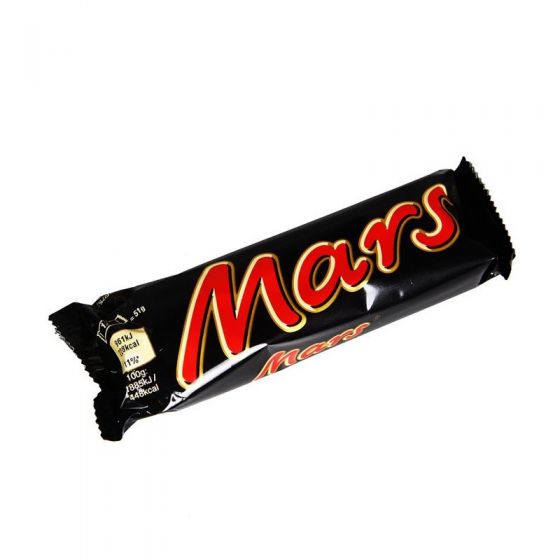
Chocolate is one of the most popular confectionery categories worldwide.
Retailers, supermarkets, convenience stores and wholesalers frequently stock different chocolate products because they appeal to customers looking for everyday treats, snacks and gifts.
Products to consider include:
- Milk chocolate bars.
- Dark chocolate bars.
- White chocolate.
- Chocolate blocks.
- Chocolate-coated wafers.
- Chocolate-filled biscuits.
- Chocolate pralines.
- Chocolate truffles.
- Chocolate multipacks.
- Assorted chocolate gift boxes.
When purchasing chocolate wholesale, consider product sizes, ingredients, packaging, brand demand and storage conditions.
Chocolate products require appropriate temperature management, particularly during transportation to warmer destinations.
2. Gummy Candy and Jelly Sweets
Gummy sweets are attractive confectionery products available in different shapes, colours and flavours.
Popular varieties include:
- Gummy bears.
- Gummy worms.
- Fruit gummies.
- Sour gummy sweets.
- Jelly beans.
- Gummy rings.
- Fruit-shaped candies.
- Assorted jelly sweets.
These products are suitable for supermarkets, candy stores, convenience shops and online confectionery retailers.
Businesses buying gummy candy in bulk should check packaging formats, ingredients, allergens and shelf-life information.
3. Hard Candy and Boiled Sweets
Hard candies are traditional confectionery products available in many flavours.
Common varieties include fruit drops, mint sweets, caramel candies, lemon sweets and assorted boiled candy.
They can be purchased in individual wrappers, retail bags, display boxes and larger wholesale cartons.
Hard candy can be a suitable option for businesses looking to provide affordable confectionery choices.
4. Lollipops and Candy Sticks
Lollipops are popular with children and are frequently sold through convenience stores, supermarkets, candy shops and event suppliers.
Wholesale options may include fruit-flavoured lollipops, assorted lollipop packs, miniature lollipops and novelty candy sticks.
Retailers should compare individual packaging, quantities per carton and product presentation.
5. Chewing Gum and Bubble Gum
Chewing gum is a convenient confectionery product frequently purchased at supermarket checkouts and convenience stores.
Wholesale varieties include:
- Mint chewing gum.
- Fruit-flavoured chewing gum.
- Sugar-free gum.
- Bubble gum.
- Individually wrapped gum.
- Multipack chewing gum.
These products can complement other small packaged confectionery items.
6. Toffees, Caramels and Marshmallows
Toffees, caramels and marshmallows offer additional variety for confectionery retailers.
Toffee products may include soft caramel sweets, hard toffees and individually wrapped varieties.
Marshmallows are popular for snacking, baking, desserts and seasonal promotions.
Businesses should consider their target customers when selecting these categories.
7. Sugar-Free and Speciality Confectionery
There is also demand for speciality confectionery products, including sugar-free, vegan and selected allergen-conscious alternatives.
Retailers should verify ingredient lists and manufacturing information rather than relying solely on product descriptions.
These categories can help businesses diversify their inventory and serve customers with different dietary preferences.
Bulk Candy Suppliers: How to Find the Right Wholesale Partner
Finding reliable bulk candy suppliers is one of the most important parts of operating a successful confectionery business.
A suitable supplier should be able to provide clear product information, competitive quotations and transparent commercial conditions.
Here are the main factors to consider.
Product Range and Availability
Look for suppliers that can provide the confectionery products your business requires.
A broad selection may allow you to source chocolates, gummies, hard candy, chewing gum and other sweets through fewer purchasing relationships.
Always confirm current stock availability before placing an order.
Wholesale Prices
Compare prices from different suppliers.
Ask for quotations based on:
- Product name.
- Brand.
- Packaging size.
- Carton quantity.
- Pallet quantity.
- Minimum order quantity.
- Delivery destination.
Compare prices using the same unit of measurement to avoid misleading comparisons.
Supplier Reliability
Research the supplier’s business details, trading history and commercial references.
Verify company information and payment details before transferring money or committing to substantial orders.
Product Quality
Check ingredients, manufacturing information, batch identification, packaging and remaining shelf life.
When purchasing branded products, confirm authenticity and relevant distribution arrangements.
Shipping and Delivery
Discuss shipping methods, delivery schedules, freight costs and insurance.
For international orders, clarify customs responsibilities, import duties and delivery terms.
Customer Communication
Good communication helps businesses receive accurate information about prices, availability and delivery arrangements.
Choose suppliers that respond clearly to commercial enquiries and provide written quotations.
Cheap Wholesale Candy Suppliers: How to Get Better Prices
Finding cheap wholesale candy suppliers is important for businesses that want to remain competitive while protecting their profit margins.
However, the cheapest advertised price is not always the best commercial deal.
Consider these strategies when negotiating wholesale purchases.
Buy the Right Quantity
Larger purchases may qualify for better unit prices, but ordering too much stock can increase storage costs and the risk of expiry.
Calculate expected sales before deciding on carton or pallet quantities.
Compare Multiple Quotations
Request quotations from several suppliers for the same products and packaging configurations.
Compare the final cost rather than relying on headline prices.
Explore Mixed Cartons
Some wholesalers may offer mixed cartons or mixed pallets containing different confectionery products.
This can be useful for businesses testing new products or maintaining a diverse inventory.
Availability and pricing depend on the supplier.
Plan Seasonal Purchases
Demand for confectionery may increase around Christmas, Easter, Valentine’s Day and Halloween.
Planning purchases early can provide more time to compare quotations and organise transportation.
Consider Transportation Costs
A supplier with a low product price may become more expensive once shipping and handling are included.
Always calculate the total landed cost before confirming an order.
Buy Bulk Candy Wholesale for Different Business Types
Bulk candy purchasing can support several types of commercial businesses.
Supermarkets and Grocery Stores
Supermarkets require a diverse confectionery selection to serve customers looking for everyday treats and packaged sweets.
Popular options include chocolate bars, chewing gum, gummy candy, lollipops and multipacks.
Buying wholesale can help supermarkets maintain inventory across different product categories.
Convenience Stores
Convenience stores often focus on smaller confectionery packs and products suitable for quick purchases.
Chocolate bars, mints, chewing gum, lollipops and individually wrapped sweets are common categories to consider.
Candy Shops
Specialist candy shops can benefit from a diverse range of colours, flavours, shapes and packaging formats.
Gummy sweets, sour candy, liquorice, jelly beans and novelty confectionery can help create an interesting product selection.
Online Candy Retailers
Online retailers may sell individual products, assorted candy boxes and confectionery bundles.
They should consider packaging durability, product photography, expiry dates and shipping costs.
Wholesale Distributors
Distributors purchasing bulk confectionery can supply smaller retailers, supermarkets and independent shops.
Their purchasing decisions should consider demand across their customer network and the storage requirements of different products.
Event and Party Suppliers
Confectionery is also used for birthdays, weddings, corporate events and seasonal celebrations.
Lollipops, individually wrapped sweets, gummy candy and assorted confectionery packs may be suitable for these customers.
How to Buy Bulk Candy Wholesale Internationally
International confectionery sourcing provides opportunities for businesses to purchase products from different markets.
However, importing candy requires proper planning.
Step 1: Identify Your Target Market
Determine where you intend to sell the confectionery.
The USA, Germany, France, the Netherlands, the United Kingdom and other European markets have specific food import and labelling requirements.
Step 2: Select Your Products
Identify the confectionery categories and product formats that suit your customers.
Consider chocolate, sweets, gummies, chewing gum and seasonal candy.
Step 3: Request Commercial Quotations
Contact suppliers with your required quantities, product specifications and delivery destination.
Ask for carton sizes, pallet information and available stock.
Step 4: Verify Food Compliance
Check ingredients, allergens, product labels, traceability and applicable food safety documentation.
Imported confectionery must comply with the destination country’s requirements.
Step 5: Confirm Shelf Life
Request manufacturing and expiry information.
Ensure sufficient remaining shelf life for transportation, customs clearance, distribution and retail sales.
Step 6: Organise Transportation
Discuss freight options, insurance, delivery arrangements and customs responsibilities.
Chocolate may require additional temperature-management considerations.
Step 7: Monitor Your Inventory
After receiving your order, inspect the products and monitor sales.
Use stock rotation procedures to ensure older products are sold before newer stock.
Why Choose Food Beverages GMBH?
When exploring wholesale food and beverage sourcing opportunities, choosing an appropriate business partner is an important decision.
Food Beverages GMBH provides a business contact point for companies interested in exploring its product offering and discussing potential wholesale purchasing requirements.
Retailers, wholesalers, distributors and importers should evaluate the company’s relevant product categories, availability and commercial terms when considering a purchasing relationship.
1. Wholesale Business Enquiries
Businesses can visit Food Beverages GMBH to explore its offering and enquire about relevant products.
2. Commercial Purchasing Discussions
Retailers and distributors can communicate their required products, quantities and destination countries when requesting wholesale information.
3. Product Sourcing Opportunities
Businesses looking to diversify their food and beverage inventory can enquire about suitable product categories.
4. International Trade Enquiries
Importers can discuss their destination markets, shipping requirements and commercial purchasing needs.
5. Business-to-Business Communication
Clear communication about quantities, specifications, pricing and delivery arrangements helps buyers make informed decisions.
6. Long-Term Business Relationships
Businesses should seek transparent quotations, clear order confirmation and consistent communication when establishing long-term supplier relationships.
For current confectionery availability, wholesale prices, minimum order quantities and delivery destinations, contact Food Beverages GMBH directly.
Official website: https://foodbeveragesgmbh.com/
Six Related Product Links for Food Beverages GMBH
The following six product categories are recommended internal-link opportunities for visitors interested in buying confectionery in bulk.
- Wholesale Chocolate Bars – A relevant category for retailers and distributors purchasing popular chocolate products in commercial quantities.
- Bulk Chocolate Products – Suitable for businesses looking for chocolate blocks, bars and assorted chocolate products.
- Gummy Bears and Jelly Sweets – A useful category for candy shops, supermarkets and confectionery wholesalers.
- Assorted Wholesale Candy – Relevant to businesses looking for mixed sweets and assorted candy products.
- Chewing Gum and Bubble Gum – A suitable product category for convenience stores and supermarket retailers.
- Lollipops and Hard Candy – Relevant to retailers, wholesalers and event suppliers looking for individually wrapped sweets.
Publishing instruction: Connect each of these six anchor texts to its corresponding live product URL on Food Beverages GMBH. Do not publish them as invented URLs.
Important Factors to Check Before Buying Confectionery in Bulk
Before placing a large wholesale order, businesses should carefully evaluate the following factors.
1. Minimum order quantity: Understand the supplier’s minimum purchasing requirements.
2. Product packaging: Check the number of individual units in each carton.
3. Shelf life: Confirm expiry dates and remaining shelf life.
4. Storage requirements: Make sure your warehouse can store products appropriately.
5. Product ingredients: Check ingredients and allergen declarations.
6. Country of origin: Verify where the confectionery is manufactured.
7. Wholesale price: Request a written quotation with clearly stated quantities and currency.
8. Delivery terms: Confirm transportation costs, delivery times and customs responsibilities.
9. Product authenticity: Verify branded products and their supply documentation.
10. Payment arrangements: Agree on payment terms and verify supplier banking information.
These checks can help minimise purchasing risks and support better wholesale inventory management.
Frequently Asked Questions About Buying Confectionery in Bulk
1. Where can I buy confectionery in bulk?
You can buy confectionery in bulk from manufacturers, wholesale candy suppliers, confectionery distributors and international food trading companies. Compare product availability, pricing, packaging, minimum quantities and delivery arrangements.
2. Who are the best bulk candy suppliers?
The best bulk candy suppliers are businesses that offer suitable product ranges, transparent prices, reliable communication and appropriate documentation. Always verify the supplier before placing a substantial order.
3. How can I find cheap wholesale candy suppliers?
Request quotations from multiple suppliers, compare carton and pallet prices, calculate transportation costs and negotiate based on realistic purchasing quantities. Consider the total landed cost rather than the advertised price alone.
4. Can I buy bulk candy wholesale for my supermarket?
Yes. Supermarkets can purchase chocolate bars, gummies, chewing gum, hard candy, lollipops and other confectionery products through wholesale suppliers and distributors.
5. What types of candy can I purchase in bulk?
Popular categories include chocolate, gummy bears, jelly beans, sour candy, hard sweets, lollipops, chewing gum, marshmallows, toffees and caramels.
6. Is buying confectionery in bulk cheaper?
Bulk purchasing may reduce the unit purchase price because some suppliers offer quantity-based discounts. However, businesses should include shipping, storage, duties and potential wastage when calculating savings.
7. What is the minimum order quantity for bulk confectionery?
Minimum order quantities vary. Some suppliers accept orders by individual carton, while others require multiple cartons, mixed pallets or full pallets. Always request the supplier’s MOQ.
8. Can I buy wholesale chocolate and candy together?
Some suppliers offer several confectionery categories, allowing buyers to purchase chocolate, sweets, gummies and chewing gum together. Confirm whether mixed orders are available.
9. How should I store wholesale confectionery?
Store confectionery according to manufacturer instructions. Chocolate generally requires a cool, dry environment away from direct sunlight and excessive humidity. Keep products in suitable packaging and follow stock rotation procedures.
10. Can I import bulk candy from Europe?
Yes, businesses can explore importing confectionery from European suppliers. However, they must check the applicable import regulations, food labelling requirements, ingredient declarations and customs procedures of the destination market.
11. What should I consider when buying chocolate in bulk?
Check chocolate quality, ingredients, packaging, product sizes, expiry dates, batch information and storage requirements. Temperature-controlled transportation may be necessary depending on the shipment and destination.
12. Can small businesses buy confectionery wholesale?
Yes. Some wholesale suppliers accept smaller orders, while others specialise in pallet quantities. Contact suppliers to confirm their minimum purchasing requirements.
13. How do I calculate the profitability of bulk candy purchases?
Calculate the total landed cost per unit, including purchase price, freight, insurance, duties and handling. Compare this with your expected selling price and account for operating expenses, discounts and potential wastage.
14. Why choose Food Beverages GMBH for wholesale enquiries?
Food Beverages GMBH is a business contact for companies exploring wholesale food and beverage sourcing. Buyers can visit its website and enquire about relevant products, availability, quantities and commercial terms.
15. How can I request wholesale prices from Food Beverages GMBH?
Visit https://foodbeveragesgmbh.com/ and contact the company with the product categories you require, estimated quantities, destination country and delivery requirements. Request current pricing and availability.
Conclusion: Buy Confectionery in Bulk from Suitable Wholesale Suppliers
Buying confectionery in bulk can create valuable opportunities for supermarkets, retailers, wholesalers, distributors and international importers.
From chocolate bars and premium pralines to gummy sweets, chewing gum, lollipops, marshmallows and assorted candies, confectionery offers businesses a wide range of products to diversify their inventories.
Finding suitable bulk candy suppliers requires careful consideration of product quality, wholesale prices, minimum order quantities, packaging, shelf life, transportation and supplier reliability.
Whether you are searching for cheap wholesale candy suppliers, wholesale bulk candy suppliers or opportunities to buy bulk candy wholesale, the right purchasing strategy can help your business manage costs and serve customers more effectively.
Food Beverages GMBH is a potential business contact for companies exploring wholesale food and beverage sourcing opportunities. Visit https://foodbeveragesgmbh.com/ to explore the company’s offering and make an enquiry about your commercial requirements.
Build a competitive confectionery portfolio through informed purchasing, careful stock management and dependable wholesale business relationships.