Introduction to Types of Beverages
Beverages are an essential part of everyday life, serving different purposes, from hydration and refreshment to nutrition, relaxation and social enjoyment. Across the world, people consume different types of drinks depending on their lifestyles, cultures, preferences and dietary requirements. From refreshing bottled water and natural fruit juices to carbonated soft drinks, energy drinks, coffee, tea and alcoholic beverages, the beverage industry offers an extensive range of products for consumers and businesses. Understanding the different types of beverages is important for supermarkets, restaurants, hotels, convenience stores, wholesalers, importers and distributors looking to expand their product selections. The global beverage market continues to offer opportunities for businesses interested in sourcing popular drinks, purchasing beverages wholesale and distributing internationally recognised brands.
Whether you are searching for the best beverages in the world, different types of drinks, bulk drinks for sale or reliable wholesale drinks suppliers, understanding beverage categories can help you make better purchasing decisions.
Food Beverages GMBH provides wholesale food and beverage sourcing solutions for retailers, wholesalers, distributors and commercial buyers. With access to different beverage categories and international trading opportunities, the company supports businesses looking to develop their beverage supply operations.
Table of Contents & Types of Beverages
- What Are Beverages?
- Types of Beverages
- Different Types of Drinks Around the World
- Best Beverages in the World
- Importance of Beverages in Everyday Life
- Popular Beverage Brands
- Beverages Wholesale: Understanding the Wholesale Market
- Bulk Drinks for Sale: What Businesses Should Know
- How to Choose Wholesale Drinks Suppliers
- Beverage Packaging and Distribution
- Why Choose Food Beverages GMBH?
- Frequently Asked Questions About Beverages
1. What Are Beverages?
Beverages are liquids prepared for drinking. They include water, juices, soft drinks, hot drinks, dairy-based drinks, energy drinks and alcoholic beverages. Some are consumed primarily for hydration, while others are enjoyed for their flavour, nutritional content, refreshing qualities or social significance.
The beverage industry serves different consumer markets, including households, restaurants, supermarkets, hotels, catering companies, entertainment venues and international distributors.
Beverages can generally be divided into two major categories:
Non-alcoholic beverages: These include bottled water, mineral water, fruit juices, carbonated soft drinks, energy drinks, sports drinks, coffee, tea, milk and other drinks that contain no alcohol or are classified as non-alcoholic.
Alcoholic beverages: These include beer, wine, champagne, whisky, vodka, rum, gin, brandy and other drinks containing alcohol. Their sale and distribution are subject to applicable age restrictions, licensing and local regulations.
Both categories have important positions in the international beverage market.
2. Types of Beverages
There are many types of beverages available worldwide. Each category has different ingredients, flavours, packaging formats and consumer markets.
2.1 Water and Mineral Water
Water is one of the most important beverages because it supports everyday hydration. It is consumed in homes, workplaces, restaurants, hotels, schools and commercial establishments.
Common types include:
- Bottled drinking water.
- Natural mineral water.
- Spring water.
- Purified water.
- Sparkling water.
- Flavoured water.
Bottled water is available in different sizes, including 330ml, 500ml, 750ml, 1 litre and larger family-size containers.
For wholesale buyers, bottled water is an important product category because it serves supermarkets, convenience stores, hotels, restaurants and catering businesses. Types of Beverages
2.2 Carbonated Soft Drinks
Carbonated soft drinks are among the most recognised beverages worldwide. They are produced using carbonated water, sweeteners, flavourings and other permitted ingredients.
Popular varieties include cola, orange, lemon-lime, tonic and fruit-flavoured sodas.
Examples include:
- Coca-Cola.
- Pepsi.
- Fanta.
- Sprite.
- 7UP.
- Schweppes.
Carbonated drinks are commonly sold in aluminium cans, glass bottles and PET plastic bottles.
They are popular in supermarkets, restaurants, fast-food outlets, convenience stores, entertainment venues and hospitality businesses.
Businesses interested in stocking recognised international brands can explore Coca-Cola wholesale and bulk supply through Food Beverages GMBH.
2.3 Fruit Juices and Fruit Drinks
Fruit juices and fruit drinks are produced using fruits, fruit concentrates, water and other ingredients, depending on the product.
Popular varieties include:
- Orange juice.
- Apple juice.
- Pineapple juice.
- Mango juice.
- Grape juice.
- Cranberry juice.
- Mixed fruit juice.
These beverages are available in fresh, chilled, frozen, concentrated and shelf-stable formats.
Fruit drinks are commonly purchased by households, hotels, restaurants, schools, supermarkets and catering companies.
Wholesale buyers should check fruit content, ingredient declarations, packaging, storage instructions and expiry dates before placing orders.
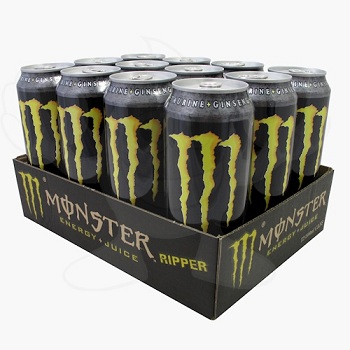
2.4 Energy Drinks
Energy drinks are formulated beverages that commonly contain caffeine and may include other ingredients such as taurine, B vitamins, sweeteners and flavourings.
They are marketed to adult consumers seeking convenient caffeinated beverages.
Popular energy drink brands include:
- Red Bull.
- Monster Energy.
- HELL Energy.
- Rockstar.
- Burn.
- Battery.
Energy drinks are generally available in aluminium cans, with different sizes and flavours depending on the market.
They are distributed through supermarkets, convenience stores, petrol stations, wholesalers and beverage retailers.
Businesses looking for recognised products can explore HELL Energy Drink wholesale for commercial sourcing enquiries.
Consumers should check caffeine content and product warnings, particularly regarding age restrictions, pregnancy and sensitivity to caffeine.
2.5 Sports Drinks
Sports drinks are formulated to provide fluids and electrolytes, and some contain carbohydrates. They are designed for specific hydration needs associated with physical activity.
Common ingredients may include water, sodium, potassium, carbohydrates and flavourings.
Popular examples include:
- Gatorade.
- Powerade.
- Lucozade Sport.
- Other electrolyte beverages.
Sports drinks are commonly sold in bottles and are available in different flavours.
They are distributed through supermarkets, sports shops, gyms, convenience stores and food retailers.
2.6 Tea and Coffee
Tea and coffee are among the most widely consumed hot beverages in the world. They are also available in ready-to-drink formats.
Tea varieties include:
- Black tea.
- Green tea.
- White tea.
- Herbal tea.
- Oolong tea.
- Fruit-infused tea.
Coffee varieties include:
- Espresso.
- Cappuccino.
- Latte.
- Americano.
- Instant coffee.
- Cold brew coffee.
Tea and coffee products are available in loose-leaf, tea-bag, ground, instant and ready-to-drink formats.
For wholesalers, coffee and tea provide opportunities to serve supermarkets, cafés, hotels, restaurants, offices and hospitality businesses. Types of Beverages
2.7 Dairy-Based Beverages
Dairy beverages are produced using milk or dairy ingredients. They can be consumed directly or used as ingredients in other drinks.
Examples include:
- Whole milk.
- Skimmed milk.
- Flavoured milk.
- Chocolate milk.
- Milkshakes.
- Drinking yoghurt.
- Kefir.
Dairy beverages are available in fresh, chilled, powdered and long-life formats.
Commercial buyers should consider refrigeration requirements, processing methods, packaging and expiry dates when sourcing dairy products.
2.8 Plant-Based Beverages
Plant-based drinks are alternatives to traditional dairy milk. They are commonly made from grains, nuts, legumes and other plant ingredients.
Popular varieties include:
- Almond milk.
- Soy milk.
- Oat milk.
- Coconut milk.
- Rice milk.
- Pea-protein drinks.
These products are available in sweetened, unsweetened, flavoured and fortified varieties.
They are popular in supermarkets, cafés, restaurants and specialist food retailers.
2.9 Alcoholic Beverages
Alcoholic beverages are drinks containing ethanol. They are consumed in different social and cultural settings, subject to local laws and responsible-consumption guidelines.
Major categories include:
Beer: Produced through fermentation and commonly made using water, malted grains, hops and yeast. Popular styles include lager, ale, stout and wheat beer.
Wine: Produced through the fermentation of grapes or other fruits. Major categories include red wine, white wine, rosé wine and sparkling wine.
Champagne: A protected sparkling wine category originating from the Champagne region of France.
Whisky: A distilled alcoholic beverage made from fermented grain mash and matured according to applicable production requirements.
Cognac and brandy: Distilled grape-based spirits, with Cognac being a protected regional category from France.
These beverages are distributed through licensed retailers, hospitality establishments and authorised wholesale channels. Buyers must comply with applicable alcohol regulations.
3. Different Types of Drinks Around the World
Different countries have unique beverage preferences influenced by climate, culture, food traditions and consumer lifestyles.
Some internationally popular drinks include:
| Beverage | Popular varieties | Main category |
|---|---|---|
| Coca-Cola | Original, Zero Sugar | Soft drink |
| Pepsi | Original, Max | Soft drink |
| Fanta | Orange, Lemon, Grape | Fruit-flavoured soda |
| Sprite | Lemon-Lime | Soft drink |
| 7UP | Lemon-Lime | Soft drink |
| Red Bull | Original, Sugarfree | Energy drink |
| Monster | Original, Ultra varieties | Energy drink |
| HELL Energy | Original and flavoured varieties | Energy drink |
| Coffee | Espresso, Latte | Hot beverage |
| Green Tea | Traditional, flavoured | Tea |
| Orange Juice | Fresh, chilled, packaged | Fruit beverage |
| Mineral Water | Still, sparkling | Water |
These products demonstrate the variety available to beverage distributors and retailers.
For businesses, carrying a combination of different drinks can help attract customers with different preferences and purchasing habits.
4. Best Beverages in the World
The best beverages in the world depend on personal taste, cultural popularity, availability and the occasion. Some drinks have achieved international recognition because of their established brands, distinctive flavours and extensive distribution networks.
Here are several popular beverage categories and examples.
Coca-Cola
Coca-Cola is one of the most recognised soft drink brands internationally. Its original cola flavour and different product variations make it a familiar option in supermarkets, restaurants and convenience stores.
Explore Coca-Cola bulk purchasing for wholesale enquiries.
Pepsi
Pepsi is another internationally recognised cola brand. It is available in different product variations and packaging formats depending on the market.
Businesses can explore Pepsi wholesale products for beverage sourcing opportunities.
Fanta
Fanta is recognised for its fruit-flavoured carbonated beverages, particularly Orange Fanta. Other flavours vary according to regional availability.
Explore Fanta wholesale for commercial beverage purchasing enquiries.
Sprite
Sprite is a popular lemon-lime soft drink recognised for its crisp citrus flavour. It is widely sold in cans and bottles.
Businesses can explore Sprite bulk and wholesale supply when developing their soft drink inventory.
Red Bull
Red Bull is an internationally recognised energy drink brand. Its original and sugar-free products are available in various markets.
HELL Energy Drink
HELL Energy is a Hungarian energy drink brand with international market recognition. Its products are commonly packaged in aluminium cans.
Coffee and Tea
Coffee and tea remain important beverages in many countries. Their popularity extends across households, offices, cafés, hotels and restaurants.
There is no single beverage that is objectively the best for everyone. Consumer preferences, ingredients, nutritional needs and individual circumstances all influence beverage choices.
5. Importance of Beverages in Everyday Life
Beverages serve several important purposes in everyday life.
Hydration: Water and other suitable drinks help people maintain their daily fluid intake.
Refreshment: Soft drinks, fruit beverages and sparkling water are commonly consumed for refreshment.
Nutrition: Certain beverages, including milk and some fortified drinks, provide nutrients such as protein, calcium and vitamins.
Lifestyle and convenience: Ready-to-drink coffee, bottled water, packaged juices and other beverages offer convenient options for busy consumers.
Hospitality and entertainment: Restaurants, hotels, cafés and event venues depend on beverage selections to serve customers.
Commercial opportunities: The beverage sector supports manufacturers, wholesalers, distributors, retailers, logistics providers and international trading companies.
For businesses, beverage products can be an important part of a wider food and grocery portfolio.
6. Popular Beverage Brands
Brand recognition is an important consideration when selecting beverages for wholesale distribution.
Consumers often look for familiar products, consistent taste, suitable packaging and dependable availability.
Some recognised international beverage brands include:
| Brand | Beverage category |
|---|---|
| Coca-Cola | Carbonated soft drinks |
| Pepsi | Carbonated soft drinks |
| Fanta | Fruit-flavoured soft drinks |
| Sprite | Lemon-lime soft drinks |
| 7UP | Lemon-lime soft drinks |
| Schweppes | Mixers and soft drinks |
| Red Bull | Energy drinks |
| Monster Energy | Energy drinks |
| HELL Energy | Energy drinks |
| Heineken | Beer |
| Guinness | Beer and stout |
| Moët & Chandon | Champagne |
Product availability, brand distribution rights and packaging can differ between countries. Wholesale buyers should confirm the specific product and market before ordering. Types of Beverages
7. Beverages Wholesale: Understanding the Wholesale Market
Beverages wholesale involves purchasing drinks in commercial quantities for resale, distribution or business use.
Instead of buying individual bottles or cans, businesses purchase cartons, cases, pallets or larger shipments, depending on the supplier’s minimum order requirements.
The wholesale beverage market serves several business sectors.
Supermarkets and Grocery Stores
Supermarkets require different beverage categories to meet customer demand. These can include bottled water, juices, soft drinks, energy drinks, coffee, tea and other packaged beverages.
Convenience Stores
Convenience stores often stock smaller beverage packages, individual cans and ready-to-drink products.
Restaurants and Hotels
Hospitality businesses require beverages for customers, room service, restaurants, bars and events.
Beverage Wholesalers and Distributors
Distributors purchase beverages in larger quantities and supply retailers, restaurants, smaller wholesalers and other commercial customers.
Importers and Exporters
International beverage traders source products from different markets and arrange transportation, customs documentation and distribution.
Working with dependable beverage wholesalers can help businesses manage inventory, source established brands and plan their procurement operations.
8. Bulk Drinks for Sale: What Businesses Should Know
Businesses searching for bulk drinks for sale should consider more than the advertised product price.
The complete purchasing decision should include product specifications, packaging, availability, transportation and destination-market requirements.
Popular Bulk Beverage Products
Some commonly traded wholesale beverage categories include:
- Bulk Coca-Cola.
- Wholesale Pepsi.
- Fanta soft drinks.
- Sprite soft drinks.
- 7UP beverages.
- Schweppes drinks.
- Bulk energy drinks.
- Bottled mineral water.
- Fruit juices.
- Coffee and tea.
- Beer and other legally distributed alcoholic beverages.
Advantages of Buying Drinks in Bulk
Inventory management: Purchasing larger quantities can help businesses maintain stock levels and reduce the frequency of individual orders.
Procurement planning: Wholesale ordering makes it easier to organise purchasing schedules and estimate stock requirements.
Product variety: Buyers can explore different brands, flavours and package sizes to suit their customers.
Commercial opportunities: Retailers and distributors can expand their product portfolios and serve additional customer segments.
However, bulk purchasing should always be based on realistic demand forecasts, storage capacity and product shelf life.
Factors to Check Before Buying Bulk Drinks
- Brand and product authenticity.
- Available flavours and sizes.
- Manufacturing country and origin.
- Carton and pallet quantities.
- Expiry and best-before dates.
- Storage conditions.
- Minimum order quantity.
- Wholesale price.
- Shipping and insurance costs.
- Import duties and destination regulations.
These checks help buyers make informed procurement decisions.
9. How to Choose Wholesale Drinks Suppliers
Finding the right wholesale drinks suppliers is essential for businesses that depend on regular beverage deliveries.
A suitable supplier should offer transparent commercial information, clear communication and products that match the buyer’s requirements.
Consider the following factors when evaluating beverage suppliers.
1. Product Range
Choose a supplier with beverage categories that match your business. A diversified product range can help simplify sourcing and procurement.
2. Product Quality
Check product labels, packaging condition, authenticity, manufacturing information and applicable food safety documentation.
3. Competitive Wholesale Prices
Compare quotations from different suppliers. Consider the total landed cost rather than focusing only on the price per carton.
4. Product Availability
Confirm that the supplier can provide the products and quantities you require. Availability can change according to stock and market conditions.
5. International Shipping
For importers and distributors, transportation arrangements are important. Confirm delivery terms, shipping schedules, export documentation and destination requirements.
6. Communication and Customer Support
A professional supplier should communicate clearly about product specifications, order requirements, quotations and delivery arrangements.
7. Minimum Order Quantities
Some suppliers require minimum quantities for wholesale purchasing. Confirm whether the order can be supplied in cartons, pallets or full-container shipments.
Choosing the right wholesale beverage supplier can support more efficient procurement and stronger long-term commercial relationships.
10. Beverage Packaging and Distribution
Packaging is an important part of the beverage supply chain because it protects products, supports transportation and provides consumers with product information.
Common beverage packaging formats include:
Aluminium cans: Frequently used for carbonated soft drinks, energy drinks and beer.
PET bottles: Commonly used for bottled water, soft drinks, juices and other beverages.
Glass bottles: Used for premium water, juices, soft drinks, beer, wine and spirits.
Cartons: Commonly used for milk, fruit juices and plant-based beverages.
Multipacks and wholesale cases: Designed for retailers, distributors and commercial customers.
Beverage Storage and Transportation
Different beverages have different storage requirements.
Shelf-stable drinks should generally be kept in appropriate cool, dry conditions, away from excessive heat and direct sunlight.
Chilled and fresh beverages may require controlled-temperature storage and refrigerated transportation.
Wholesale buyers should also check:
- Product expiry dates.
- Packaging integrity.
- Pallet configuration.
- Gross and net shipment weights.
- Storage temperatures.
- Container loading requirements.
- Transportation and handling procedures.
Correct storage and distribution practices help maintain product quality throughout the supply chain.
11. Why Choose Food Beverages GMBH?
Food Beverages GMBH is an international trading company established in 2016, specialising in sourcing, supplying, importing and exporting different food and beverage products.
Based in Bottrop, Germany, the company serves retailers, wholesalers, supermarkets, restaurants, distributors and international business customers.
Its product portfolio includes beverages, cooking oils, frozen foods, meat products, confectionery and other commercial commodities.
Wide Range of Beverage Products
Food Beverages GMBH provides access to different beverage categories, including:
- Carbonated soft drinks.
- Energy drinks.
- Beer.
- Whisky and other spirits.
- Champagne.
- Other internationally traded beverage products.
This product range helps commercial buyers explore different categories through one international trading partner.
Wholesale and Bulk Purchasing Opportunities
Businesses interested in purchasing beverages in commercial quantities can contact Food Beverages GMBH to discuss product availability, required quantities, packaging and wholesale quotations.
International Trading Experience
The company focuses on international sourcing and trading, supporting businesses interested in purchasing products across different markets.
Quality Commitment
Food Beverages GMBH emphasises product quality, reliable sourcing and appropriate product information. Buyers can request relevant specifications and documentation before confirming an order.
Competitive Commercial Solutions
Wholesale pricing depends on the selected brand, packaging, order volume, supplier availability and shipping destination. The company welcomes enquiries from buyers seeking quotations based on their requirements.
Professional Customer Support
The company works with business customers to discuss product enquiries, sourcing requirements and commercial purchasing arrangements.
Reliable Distribution and Logistics
Logistics planning is important for international beverage trading. Buyers can discuss shipment arrangements, packaging details and delivery requirements with the company.
Whether you operate a supermarket, convenience store, restaurant, hotel, beverage distribution company or import business, Food Beverages GMBH offers a platform for exploring wholesale food and beverage sourcing opportunities.
Contact Food Beverages GMBH:
Website: https://foodbeveragesgmbh.com/
Email: info@foodbeveragesgmbh.com
Telephone: +49 16713 225429
Address: An der Knippenburg 104, 46238 Bottrop, Germany.
Business hours: Monday to Friday, 8:00–17:00 CET.
12. Frequently Asked Questions About Beverages
1. What are the different types of beverages?
The main types of beverages include water, mineral water, carbonated soft drinks, fruit juices, energy drinks, sports drinks, tea, coffee, dairy beverages, plant-based drinks and alcoholic beverages.
2. What are the five main types of drinks?
Five broad beverage groups are water, soft drinks, fruit-based drinks, hot beverages and alcoholic beverages. Each group contains several different products and varieties.
3. What are the most popular beverages in the world?
Some widely recognised beverages include bottled water, Coca-Cola, Pepsi, Fanta, Sprite, coffee, tea, orange juice, Red Bull and other internationally distributed drinks.
4. What is the difference between soft drinks and energy drinks?
Soft drinks are generally carbonated or non-carbonated flavoured beverages. Energy drinks are formulated beverages that commonly contain caffeine and may include other functional ingredients.
5. What are the best beverages for wholesale businesses?
Popular wholesale beverage categories include bottled water, carbonated soft drinks, fruit juices, energy drinks, coffee, tea and other packaged drinks. The best selection depends on customer demand and the target market.
6. Where can I buy beverages in bulk?
Businesses can purchase beverages in bulk through beverage wholesalers, distributors, manufacturers and international trading companies. Food Beverages GMBH welcomes commercial enquiries about wholesale beverage sourcing and product availability.
7. Who are the best beverage wholesalers?
The best beverage wholesalers are suppliers that provide suitable product ranges, clear quotations, dependable communication, product information and appropriate delivery arrangements. Buyers should compare suppliers before placing orders.
8. What should I check before purchasing wholesale drinks?
Check product authenticity, brand, packaging, size, manufacturing origin, expiry dates, minimum order quantities, storage requirements, wholesale prices and delivery costs.
9. Can I buy Coca-Cola, Pepsi and Fanta wholesale?
Yes. These brands are distributed through regional bottling and distribution networks. Commercial buyers should contact suppliers to confirm availability, market-specific packaging, quantities and applicable purchasing conditions.
10. What is the difference between bulk drinks and retail drinks?
Retail drinks are generally sold in individual bottles, cans or small multipacks. Bulk drinks are purchased in larger commercial quantities, such as wholesale cases, pallets or larger shipments.
11. How are beverages packaged for wholesale distribution?
Beverages are commonly packaged in aluminium cans, PET bottles, glass bottles, cartons, multipacks and export cases. Larger orders may be arranged on pallets or in shipping containers.
12. How do I find reliable wholesale drinks suppliers?
Research suppliers, verify their business details, request quotations, check product specifications and confirm delivery arrangements. It is also important to understand minimum order quantities and payment terms.
13. Does Food Beverages GMBH supply international beverage buyers?
Food Beverages GMBH supports international trading and wholesale sourcing enquiries. Buyers should contact the company to confirm product availability, order quantities, shipping arrangements and destination requirements.
14. How can I request a beverage wholesale quotation from Food Beverages GMBH?
Visit https://foodbeveragesgmbh.com/ or contact info@foodbeveragesgmbh.com. Include your preferred beverage brands, product sizes, required quantities and delivery destination to help the company assess your enquiry.
Conclusion: Find the Right Types of Beverages for Your Business
Understanding the different types of beverages is important for consumers, retailers, wholesalers, supermarkets, restaurants and international distributors. From bottled water and fruit juices to carbonated soft drinks, energy drinks, coffee, tea and alcoholic beverages, the beverage industry offers a wide variety of products for different markets.
For businesses interested in beverages wholesale, choosing suitable products and dependable suppliers is essential. Product quality, packaging, competitive quotations, stock availability and efficient logistics all contribute to successful beverage distribution.
Food Beverages GMBH offers international food and beverage sourcing opportunities for businesses looking to expand their product selections and develop wholesale trading relationships.
Explore the available beverage products at Food Beverages GMBH and contact the company to discuss bulk drinks for sale, wholesale beverage enquiries and international supply opportunities.
Website: https://foodbeveragesgmbh.com/