
Confectionery is one of the most popular and diverse categories in the global food industry. From chocolate bars and chewy sweets to hard candies, gummies, caramels and premium gift chocolates, confectionery products appeal to consumers of different ages and preferences. They are sold through supermarkets, convenience stores, specialist candy shops, online retailers, cinemas, hotels and wholesale distribution networks. Understanding the types of confectionery is important for retailers, wholesalers, importers, distributors and food businesses looking to choose products that match customer demand. The category includes two broad groups: sugar confectionery and chocolate confectionery. Each group contains different products, ingredients, textures, flavours and packaging formats.
The confectionery industry also continues to evolve. Consumers are exploring new flavours, premium products, portion-controlled treats and more convenient packaging. At the same time, retailers and distributors are looking for dependable confectionery suppliers who can support their purchasing and stock requirements.
This guide explains the main types of confectionery, the difference between sugar confectionery and chocolate, important confectionery industry trends, and what businesses should consider when buying confectionery wholesale. It also introduces confectionery sourcing opportunities from Food Beverages GMBH.
What Is Confectionery?
Confectionery refers to a broad range of sweet food products commonly enjoyed as snacks, treats, desserts or gifts. Many confectionery products contain sugar, chocolate, sweeteners, cocoa, milk ingredients, fruit flavours, nuts, gelatin or other ingredients that contribute to their taste and texture.
The category is generally divided into two main groups:
- Sugar confectionery: Products such as hard candies, gummies, lollipops, chewing gum, toffees, caramels and boiled sweets.
- Chocolate confectionery: Products made with chocolate or cocoa-based ingredients, including chocolate bars, pralines, truffles, filled chocolates and chocolate-coated sweets.
Some products combine both categories. For example, a chocolate-covered caramel or a gummy sweet coated with chocolate contains characteristics of more than one confectionery type.
Confectionery is important in retail because it offers a wide range of price points, product sizes, flavours and purchasing occasions. Customers buy sweets for personal enjoyment, celebrations, holidays, gifting and impulse purchases.
Main Types of Confectionery
There are many types of confectionery available in international markets. Each product category has its own ingredients, production methods, texture and consumer appeal.
1. Chocolate Confectionery
Chocolate confectionery includes products made with cocoa solids, cocoa butter, sugar and, depending on the recipe, milk ingredients and other flavourings. It is one of the best-known sections of the confectionery market.
Common chocolate confectionery products include:
- Milk chocolate bars
- Dark chocolate bars
- White chocolate products
- Filled chocolate bars
- Chocolate pralines
- Chocolate truffles
- Chocolate-coated biscuits
- Chocolate-coated nuts
- Chocolate sharing bags
- Assorted chocolate gift boxes
Chocolate products are popular throughout the year, with particularly strong retail interest around holidays, celebrations and gifting occasions.
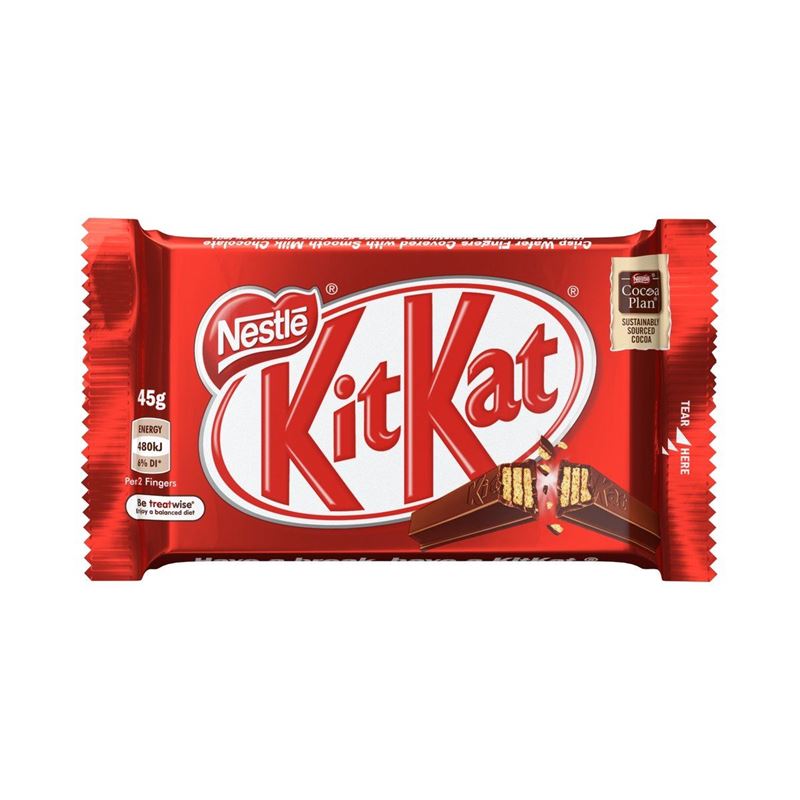
Examples of recognised chocolate products listed on the Food Beverages GMBH website include Ferrero Rocher wholesale, Cadbury Chocolate Wholesale and KitKat Wholesale.
2. Sugar Confectionery
Sugar confectionery is a major category of sweets made primarily from sugar or sweetening ingredients. It includes products with different textures, from hard and brittle candies to soft, chewy and gelatin-based sweets.
Popular examples include:
- Hard candies
- Boiled sweets
- Lollipops
- Gummies
- Jelly sweets
- Chewy candies
- Toffees
- Caramels
- Marshmallows
- Fudge
- Liquorice sweets
- Fruit-flavoured candies
Sugar confectionery is popular with supermarkets, convenience stores, candy shops and wholesalers because products are available in numerous flavours, shapes and pack sizes.
Retailers can create attractive displays by offering mixed sweets, individually wrapped candies, seasonal selections and family-size sharing packs. Buyers should check ingredient declarations, allergen information, storage requirements and shelf-life details before purchasing. Types of Confectionery
3. Gummies and Jelly Sweets
Gummies and jelly sweets are soft confectionery products known for their chewy texture. They are commonly produced in fruit flavours and different shapes, sizes and colours.
Examples include fruit gummies, jelly beans, sour gummies, gummy bears and assorted jelly sweets.
These products are frequently sold in small bags, sharing packs, multipacks and mixed confectionery selections. Their colourful appearance makes them suitable for candy shops, supermarkets, party retailers and online confectionery stores.
4. Hard Candies and Boiled Sweets
Hard candies are made by heating sugar-based mixtures to create a firm, glass-like confectionery texture. They may be flavoured with fruit, mint, herbs or other ingredients.
Common varieties include:
- Fruit drops
- Mint candies
- Butterscotch sweets
- Sour hard candies
- Filled boiled sweets
- Traditional boiled sweets
Individually wrapped hard candies are convenient for retail counters, reception areas, hospitality businesses and vending operations.
5. Chewing Gum and Bubble Gum
Chewing gum is another recognised type of sugar confectionery, although sugar-free varieties are also widely available. It is produced in different flavours and formats, including sticks, pellets, dragees and bubble gum.
Popular flavours include peppermint, spearmint, fruit and mixed berry. Retailers often position chewing gum near checkout counters because it is a convenient, low-commitment purchase.
6. Toffee, Caramel and Fudge
Toffee, caramel and fudge are sweet products with distinctive textures and flavours.
- Toffee is generally firm or chewy and made by cooking sugar with butter or other ingredients.
- Caramel is produced by heating sugar and may be soft, chewy, liquid or firm.
- Fudge is a soft confectionery product commonly made with sugar, milk and butter.
These products are sold individually, in assorted boxes, as wrapped sweets and as ingredients in other confectionery products.
7. Marshmallows and Aerated Sweets
Marshmallows are soft, aerated confectionery products with a light texture. They are commonly used as snacks, dessert toppings and ingredients in baking.
They may be sold in bags, mixed packs and seasonal formats. Buyers should review ingredient and allergen information, particularly where products contain gelatin or other ingredients that may be relevant to specific customer requirements.
8. Chocolate-Coated and Combination Confectionery
Combination confectionery brings together chocolate and other sweet ingredients. Examples include chocolate-coated nuts, caramel-filled chocolate bars, wafer chocolates, malt-centred chocolate sweets and chocolate-covered biscuits.
These products offer multiple textures and flavours in one item. They are suitable for supermarkets, convenience retailers, gift shops and confectionery distributors.
Sugar Confectionery vs Chocolate Confectionery
Sugar confectionery and chocolate confectionery are related categories, but they differ in their main ingredients, production methods, textures and product formats.
| Feature | Sugar confectionery | Chocolate confectionery |
|---|---|---|
| Main ingredients | Sugar or sweeteners, flavourings and other ingredients | Cocoa ingredients, sugar and sometimes milk |
| Common products | Gummies, hard candies, lollipops and toffees | Chocolate bars, pralines and truffles |
| Texture | Hard, chewy, soft or jelly-like | Smooth, creamy, crisp or filled |
| Flavours | Fruit, mint, sour and caramel | Milk, dark, white, nut and caramel |
| Typical formats | Bags, rolls, jars and mixed sweets | Bars, boxes, multipacks and gift packs |
| Storage considerations | Depends on moisture, ingredients and packaging | Often sensitive to heat and temperature changes |
Both categories are important to confectionery retailers. A balanced product range can attract customers looking for everyday sweets as well as those purchasing premium chocolate or gifts.
For wholesalers, offering a selection of both sugar-based and chocolate products can help retailers serve different customer preferences. Product selection should consider local demand, price positioning, packaging and storage facilities.
Chocolate vs Confectionery: What Is the Difference?
The terms chocolate and confectionery are sometimes used interchangeably, but they do not mean exactly the same thing.
Chocolate is one type of confectionery. It is a product category made using cocoa ingredients, while confectionery is the broader term covering chocolate sweets and non-chocolate sweets.
For example, a milk chocolate bar is chocolate confectionery. A fruit-flavoured lollipop is sugar confectionery. Both are confectionery products, but only the first is chocolate.
The distinction matters for businesses planning product ranges, organising inventory and communicating with suppliers. A retailer that advertises a confectionery selection can include chocolate, gummies, hard candies, chewing gum and other sweets. A retailer advertising chocolate products is focusing on a narrower category.
Businesses should also check product labels carefully. Not every brown or chocolate-flavoured sweet contains the same cocoa ingredients or qualifies as a particular type of chocolate under local food regulations. Types of Confectionery
Popular Chocolate Confectionery Products for Retailers
Chocolate products are a key part of many confectionery ranges. Recognised brands can help retailers offer familiar choices, while different formats allow businesses to serve individual shoppers, families and gift buyers.
Food Beverages GMBH lists several chocolate products for wholesale enquiries, including:
- Ferrero Rocher – a premium hazelnut-centred chocolate suitable for gifting and retail displays.
- M&M’s – colourful chocolate candies available in different varieties depending on market availability.
- Maltesers – chocolate-covered malt-centred sweets with a distinctive crunchy texture.
- Cadbury Chocolate – a recognised chocolate range for confectionery retailers.
- KitKat – wafer chocolate products suitable for convenience and supermarket sales.
- Snickers Bars – chocolate bars combining peanuts, caramel and nougat.
Product formats, case quantities, origin, availability and packaging can vary by market. Buyers should confirm the exact specifications and current supply conditions before ordering.
Confectionery Industry Trends
The confectionery industry continues to respond to changing consumer preferences, retail formats and product innovation. Businesses that understand these developments can make better purchasing and merchandising decisions.
1. Premium and Gift Confectionery
Premium chocolates and attractive gift boxes remain important for celebrations, holidays and special occasions. Products with distinctive packaging, recognised branding and assorted selections can appeal to customers looking for gifts.
Retailers may benefit from carrying both everyday chocolate bars and higher-value gift products to serve different purchasing occasions.
2. New and Unusual Flavours
Consumers are exposed to a growing variety of confectionery flavours. Fruit combinations, sour profiles, salted caramel, nut flavours and international-inspired tastes can help brands differentiate their products.
Retailers can test new products in controlled quantities before expanding their range.
3. Sugar-Free and Reduced-Sugar Options
Some consumers are looking for products with less sugar or alternative sweeteners. This has encouraged manufacturers to develop sugar-free chewing gum, sweets and other confectionery options.
Retailers should describe these products accurately and avoid assuming that sugar-free automatically means low-calorie or suitable for every dietary requirement. The ingredient and nutrition labels should always be checked.
4. Portion-Controlled Packaging
Smaller packs and individually wrapped products offer convenience and can help consumers manage serving sizes. Multipacks and sharing bags also provide options for households and group occasions.
Packaging selection is important for wholesalers because it influences shelf presentation, transport, storage and retail pricing.
5. Seasonal and Limited-Edition Products
Confectionery demand can change around holidays, festivals and special events. Seasonal packaging, themed sweets and gift chocolates can create additional retail opportunities.
Businesses should plan seasonal orders carefully, taking into account lead times, remaining shelf life and the possibility of unsold stock after the event.
6. E-Commerce and Online Confectionery Sales
Online grocery shopping and specialist confectionery stores have expanded the ways consumers discover and purchase sweets. Clear product descriptions, attractive product images and accurate pack information are important for online retailers.
Wholesale buyers supplying online stores should confirm product dimensions, packaging details, barcode information and storage requirements.
Candy Industry Trends: What Retailers and Wholesalers Should Watch
Candy industry trends overlap with wider confectionery developments, but they also include specific opportunities in sugar sweets, gummies, hard candies and impulse-purchase products.
Product variety: Retailers are expanding beyond traditional fruit sweets to include sour candies, mixed textures and international flavours.
Convenience packaging: Small bags, resealable packs, multipacks and individually wrapped sweets are useful for different retail environments.
Clearer product information: Customers increasingly expect accessible ingredient, allergen and nutrition information. Accurate labelling is important for consumer confidence and regulatory compliance.
Responsible sourcing and packaging: Packaging waste and sourcing practices are receiving more attention. Businesses should review supplier information and local packaging requirements when selecting products.
Retail promotions: Mixed confectionery displays, seasonal offers and checkout placement can help retailers introduce customers to different product types.
For wholesalers, these trends create opportunities to build varied product assortments rather than relying on one type of candy. The right range will depend on the target market, consumer preferences and the retailer’s available shelf space.
How to Choose Confectionery Products for Your Business
Choosing the right confectionery range requires more than selecting popular brands. Buyers should evaluate commercial requirements and product information before placing an order.
Understand Your Customers
Consider whether your customers prefer chocolate bars, premium chocolates, traditional sweets, gummies, chewing gum or mixed confectionery. Supermarkets may need a broad selection, while specialist candy shops may focus on unusual flavours and premium products.
Compare Packaging Formats
Review individual packs, multipacks, sharing bags, gift boxes and wholesale cartons. The right format depends on retail presentation, storage space and expected sales volume.
Check Ingredients and Allergens
Confectionery products may contain milk, peanuts, tree nuts, soy, gluten, gelatin and other ingredients that matter to consumers. Check the product label and supplier documentation before purchasing.
Review Shelf Life and Storage
Check expiry or best-before dates, recommended storage conditions and remaining shelf life on arrival. Chocolate products in particular need suitable storage and protection from excessive heat.
Confirm Wholesale Terms
Before ordering, ask the supplier about product availability, minimum order quantities, carton configuration, pallet quantities, pricing, delivery arrangements and payment terms.
Consider Market Regulations
Imported confectionery may be subject to food labelling, language, ingredient declaration, customs and other regulatory requirements. Importers should verify the rules that apply in the destination country. Types of Confectionery
Buying Confectionery Wholesale and in Bulk
Buying confectionery wholesale can help retailers, supermarkets, distributors and importers manage stock and source a wider selection of products.
Bulk purchasing may offer operational benefits, including consolidated procurement, fewer repeat orders and access to commercial packaging formats. However, businesses should avoid ordering more stock than they can sell within the product’s shelf life.
When comparing confectionery suppliers, consider:
- Product authenticity and traceability.
- Current availability and product range.
- Wholesale pricing and quotation validity.
- Carton, case and pallet quantities.
- Product origin and labelling.
- Expiry dates and shelf life.
- Storage and transport conditions.
- Export documentation and destination requirements.
- Communication and customer support.
Food Beverages GMBH provides wholesale confectionery sourcing opportunities for retailers, wholesalers, supermarkets and distributors. Buyers can explore the Wholesale Confectionery category and enquire about products, quantities, packaging and delivery requirements.
Why Choose Food Beverages GMBH?
Choosing a suitable wholesale partner is important for businesses that need dependable product sourcing and professional communication. Food Beverages GMBH serves retailers, wholesalers, distributors and other commercial buyers through its international food and beverage trading activities.
Reasons to contact Food Beverages GMBH include:
Wholesale confectionery sourcing: Businesses can enquire about chocolate and other confectionery products for retail and distribution.
Recognised product selection: The website features product pages for popular confectionery names, including Ferrero Rocher, M&M’s, Maltesers, Cadbury, KitKat and Snickers.
Commercial purchasing enquiries: Buyers can discuss their preferred products, quantities, packaging requirements and destination.
International trading experience: Food Beverages GMBH works with businesses seeking food and beverage sourcing and distribution opportunities across markets.
Support for business customers: Retailers, importers, wholesalers and distributors can contact the company to discuss their purchasing requirements.
Quotation-based enquiries: Buyers can request current quotations and confirm product availability and order details before making purchasing decisions.
To discuss your requirements, visit Food Beverages GMBH or explore its wholesale confectionery products.
Conclusion
Understanding the different types of confectionery helps retailers and wholesalers create product ranges that appeal to a broad customer base. The category includes chocolate confectionery, sugar confectionery, gummies, hard candies, chewing gum, toffees, caramels, marshmallows and combination sweets.
Chocolate is one part of the wider confectionery industry, while sugar confectionery includes many popular non-chocolate sweets. Both categories offer opportunities for supermarkets, convenience stores, candy shops, online retailers and international distributors.
As confectionery industry trends continue to evolve, businesses should pay attention to product variety, premium gifting, packaging, changing flavour preferences and clear product information. Careful supplier selection and stock planning are equally important.
Food Beverages GMBH offers wholesale confectionery sourcing opportunities for businesses interested in recognised chocolate products and commercial purchasing enquiries. Contact the company to discuss current availability, packaging, quantities and delivery requirements.
Frequently Asked Questions About Confectionery
1. What are the main types of confectionery?
The main types are sugar confectionery and chocolate confectionery. Other common categories include gummies, hard candies, lollipops, chewing gum, toffees, caramels, fudge and marshmallows.
2. What is sugar confectionery?
Sugar confectionery is a category of sweets made primarily with sugar or other sweetening ingredients. Examples include boiled sweets, gummies, lollipops, caramels, toffees and hard candies.
3. What is the difference between chocolate and confectionery?
Chocolate is one type of confectionery made using cocoa ingredients. Confectionery is the wider category that includes chocolate products as well as non-chocolate sweets such as gummies, hard candies and chewing gum.
4. Is chocolate considered confectionery?
Yes. Chocolate bars, pralines, truffles, filled chocolates and chocolate-coated sweets are all examples of chocolate confectionery.
5. What are examples of sugar confectionery?
Examples include lollipops, fruit drops, jelly sweets, gummy bears, chewing gum, marshmallows, toffees, caramels and boiled sweets.
6. What are the most popular types of chocolate confectionery?
Common types include milk chocolate bars, dark chocolate, white chocolate, filled bars, wafer chocolates, pralines, truffles and chocolate-coated nuts.
7. What is the difference between sugar confectionery and chocolate confectionery?
Sugar confectionery mainly includes sweets made with sugar or sweeteners, while chocolate confectionery uses cocoa-based chocolate ingredients. Their flavours, textures and production methods can differ.
8. What are gummies made from?
Gummies are generally made with sweeteners, flavourings, colourings and gelling ingredients. Depending on the product, the gelling ingredient may include gelatin, pectin or starch. Check the label for exact ingredients.
9. What are hard candies?
Hard candies are firm sweets made by heating a sugar-based mixture. They may be flavoured with fruit, mint or other ingredients and are often individually wrapped.
10. What are the latest confectionery industry trends?
Important trends include premium chocolate, new flavours, sugar-free products, portion-controlled packs, seasonal collections, online sales and increased attention to packaging and product information.
11. What are the current candy industry trends?
Candy industry trends include sour and fruit-flavoured sweets, gummies, convenient packaging, seasonal products, sugar-free alternatives and a wider selection of international confectionery.
12. Is chewing gum a type of confectionery?
Yes. Chewing gum is commonly included in the sugar confectionery category, although sugar-free varieties are also widely available.
13. Are marshmallows considered confectionery?
Yes. Marshmallows are soft, aerated sweets and are generally classified as sugar confectionery.
14. What confectionery products are suitable for supermarkets?
Supermarkets can stock chocolate bars, gift chocolates, gummies, hard candies, chewing gum, lollipops, toffees, sharing bags and assorted sweets. The best selection depends on customer demand and available shelf space.
15. Can businesses buy confectionery in bulk?
Yes. Retailers, wholesalers and distributors can enquire about bulk confectionery purchasing. Available quantities, carton formats and order conditions depend on the product and supplier.
16. Where can I find wholesale confectionery suppliers?
Businesses can contact food distributors and specialist confectionery wholesalers. Food Beverages GMBH provides a wholesale confectionery category where buyers can explore listed products and submit enquiries.
17. What should I check before buying confectionery wholesale?
Check product authenticity, ingredients, allergens, packaging, carton quantities, expiry dates, storage conditions, pricing, delivery terms and applicable import requirements.
18. How should chocolate confectionery be stored?
Chocolate should generally be stored in a cool, dry place away from direct sunlight, excessive heat and strong odours. Always follow the manufacturer’s storage instructions.
19. What affects wholesale confectionery prices?
Prices can depend on brand, product type, pack size, order volume, supplier availability, origin, shipping costs and destination. Request a current quotation for accurate pricing.
20. How can I request a confectionery wholesale quotation from Food Beverages GMBH?
Visit the Food Beverages GMBH website and contact the company with your preferred products, required quantities and delivery destination. Confirm current availability, packaging and commercial terms before placing an order.