
Cooking oil is an essential ingredient in kitchens around the world. From frying and roasting to baking, grilling and preparing salad dressings, different types of cooking oil serve different purposes. However, choosing the right oil can sometimes be confusing because supermarkets and wholesale suppliers offer many varieties, including sunflower oil, canola oil, olive oil, soybean oil, peanut oil, palm oil and coconut oil.
Some oils have a mild flavour and are ideal for everyday cooking, while others have distinctive aromas that enhance particular recipes. Certain oils are commonly used for deep frying, whereas others are better suited to dressings, marinades and low-temperature preparation.
Understanding the types of cooking oil helps households, restaurants, supermarkets, food manufacturers and distributors make informed purchasing decisions. It is also important to consider nutritional composition, cooking temperature, processing method, product quality and storage requirements.
In this guide, we explore the most popular cooking oil varieties, explain the best cooking oil type for different applications, compare the healthiest type of oil and identify suitable options for frying and neutral-flavoured cooking.
Table of Contents
- What Are the Different Types of Cooking Oil?
- The Most Popular Types of Cooking Oil
- What Is the Best Cooking Oil Type?
- What Is the Healthiest Type of Oil?
- Best Type of Frying Oil
- Types of Neutral Oil
- Refined vs Unrefined Cooking Oil
- How to Choose the Right Cooking Oil
- Cooking Oil for Restaurants and Food Businesses
- How to Store Cooking Oil Properly
- Why Choose Food Beverages GMBH?
- Frequently Asked Questions About Cooking Oil
- Conclusion
1. What Are the Different Types of Cooking Oil?
Cooking oils are edible fats extracted from plant sources such as seeds, nuts, fruits and other agricultural products. They are used in food preparation to improve texture, add flavour, transfer heat and help ingredients cook evenly.
The different types of cooking oil vary in their nutritional composition, taste, colour, processing methods and suitability for different cooking temperatures.
Common cooking oil varieties include:
- Sunflower oil
- Canola oil
- Olive oil
- Soybean oil
- Peanut oil
- Palm oil
- Coconut oil
- Corn oil
- Avocado oil
- Sesame oil
- Grapeseed oil
- Flaxseed oil
Each variety has different characteristics. For example, olive oil is popular for dressings and Mediterranean cooking, while refined sunflower oil and canola oil are widely used for general cooking and frying.
Soybean oil is a versatile vegetable oil used in commercial food production, and peanut oil is valued for certain frying applications.
When selecting an oil, consider what you are preparing, how much heat is required and whether you want a neutral or distinctive flavour.
2. The Most Popular Types of Cooking Oil
2.1 Sunflower Oil
Sunflower oil is one of the most widely used vegetable oils in households and commercial kitchens. It is extracted from sunflower seeds and is available in refined and unrefined forms.
Refined sunflower oil generally has a mild flavour and is suitable for frying, roasting, baking and everyday food preparation.
Conventional sunflower oil is relatively high in polyunsaturated fats, while high-oleic sunflower oil contains a greater proportion of monounsaturated fats. This difference is important when selecting sunflower oil for frequent frying.
Common uses of sunflower oil:
- Deep frying and shallow frying.
- Roasting potatoes and vegetables.
- Preparing sauces and marinades.
- Baking cakes and pastries.
- Cooking meat, fish and poultry.
- Commercial food manufacturing.
Businesses that require cooking oil for restaurants, supermarkets or food processing can explore Wholesale Refined Sunflower Oil.
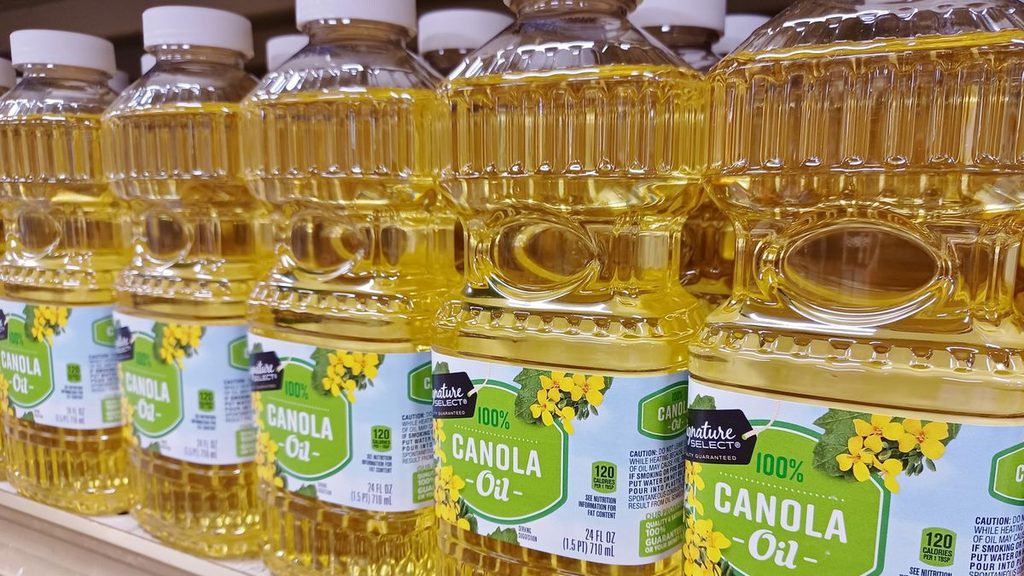
2.2 Canola Oil
Canola oil is produced from specially developed varieties of rapeseed. It is popular because of its mild flavour, versatility and predominantly unsaturated fat composition.
It contains monounsaturated and polyunsaturated fats, including some omega-3 alpha-linolenic acid.
Canola oil is suitable for many cooking methods, particularly when a neutral flavour is preferred.
Common uses include:
- Frying vegetables and meat.
- Baking cakes and muffins.
- Roasting food.
- Preparing salad dressings.
- Making sauces and marinades.
- Commercial kitchen applications.
Refined canola oil is a practical choice for businesses seeking an everyday cooking oil with a mild taste.
For wholesale sourcing enquiries, visit Premium Canola Oil for Sale.
2.3 Olive Oil
Olive oil is extracted from olives and is particularly popular in Mediterranean cuisine. It is available in several varieties, including extra virgin, virgin and refined olive oil.
Extra virgin olive oil is produced through mechanical processes and is valued for its characteristic aroma, flavour and naturally occurring plant compounds.
Refined olive oil has a milder flavour and can be useful when a less distinctive taste is preferred.
Common uses of olive oil:
- Salad dressings.
- Marinades.
- Roasting vegetables.
- Sautéing.
- Grilling.
- Sauces and Mediterranean recipes.
Olive oil is predominantly composed of monounsaturated fats. It can be a useful part of a balanced diet when used appropriately.
Explore Grade A Olive Oil for Sale for commercial sourcing information.
2.4 Soybean Oil
Soybean oil is extracted from soybeans and is one of the major vegetable oils traded internationally. It is widely used in households, restaurants and food manufacturing.
Its relatively neutral flavour makes it suitable for different recipes without significantly changing the taste of the finished food.
Soybean oil contains polyunsaturated and monounsaturated fats, including essential fatty acids.
Common applications include:
- Frying and sautéing.
- Baking and food preparation.
- Salad dressings.
- Sauces and mayonnaise.
- Margarine production.
- Processed food manufacturing.
Because of its versatility, soybean oil is a popular option for commercial kitchens and food processing businesses.
Discover Premium Grade A Soybean Oil for Sale for wholesale enquiries.
2.5 Peanut Oil
Peanut oil, also known as groundnut oil, is extracted from peanuts. It is available in refined and unrefined forms.
Refined peanut oil generally has a milder flavour than unrefined peanut oil and is used for frying, roasting and other cooking applications.
Some commercial kitchens choose peanut oil for frying because of its cooking properties and relatively high smoke point.
Common applications include:
- Frying vegetables.
- Preparing meat and poultry.
- Asian-style cooking.
- Roasting.
- Commercial food preparation.
Peanut oil requires careful allergen management. Peanut is a major food allergen, and businesses should check the specific product’s allergen documentation before using it in food preparation.
For wholesale product enquiries, explore Wholesale Peanut Oil for Sale.
2.6 Palm Oil
Palm oil is extracted from the fruit of oil palm trees. It is widely used in food manufacturing, commercial cooking and the production of processed foods.
Palm oil is semi-solid at room temperature and has a relatively high proportion of saturated fat compared with many liquid vegetable oils.
It is used in:
- Food manufacturing.
- Bakery products.
- Margarine production.
- Certain frying applications.
- Processed food products.
Buyers should consider the nutritional profile, refining grade and responsible sourcing information when selecting palm oil.
2.7 Coconut Oil
Coconut oil is extracted from coconut flesh. It is available in virgin and refined forms.
Virgin coconut oil has a distinctive coconut aroma and flavour, while refined coconut oil generally has a milder taste.
Coconut oil contains a high proportion of saturated fat, so it should not automatically be considered a healthier alternative to oils rich in unsaturated fats.
It is commonly used for:
- Baking.
- Selected frying applications.
- Specialty food preparation.
- Certain confectionery products.
- Recipes requiring coconut flavour.
2.8 Corn Oil
Corn oil is extracted from maize germ and is widely used in cooking and food manufacturing.
It generally has a mild taste and can be used for frying, baking, roasting and preparing sauces.
Corn oil contains predominantly unsaturated fats, including polyunsaturated fats.
Its neutral flavour makes it useful in recipes where the taste of the oil should not dominate the finished dish.
2.9 Avocado Oil
Avocado oil is extracted from avocado flesh. It is valued for its predominantly monounsaturated fat composition.
Refined avocado oil generally has a milder flavour and can be suitable for higher-temperature cooking, depending on the product specifications.
Unrefined avocado oil often retains more of the fruit’s characteristic flavour.
It is used for salad dressings, roasting, sautéing and other cooking applications.
2.10 Sesame Oil
Sesame oil is extracted from sesame seeds and is particularly popular in Asian and Middle Eastern cuisines.
Light sesame oil has a milder taste, while toasted sesame oil has a distinctive nutty aroma.
It is commonly used in:
- Stir-fried dishes.
- Marinades.
- Sauces.
- Salad dressings.
- Finishing oils.
Sesame is a major food allergen in many markets, so food businesses should check labelling and allergen requirements carefully.
3. What Is the Best Cooking Oil Type?
The best cooking oil type depends on the intended use, nutritional preferences, flavour requirements and cooking temperature.
There is no single oil that is perfect for every recipe. A household may prefer olive oil for salads and canola oil for baking, while a restaurant may require refined sunflower oil or high-oleic sunflower oil for frying.
Here are some practical recommendations:
For everyday cooking: Canola oil and olive oil are useful options. Canola oil has a mild taste, while olive oil offers a more distinctive flavour.
For baking: Canola, sunflower and soybean oils are commonly used because of their mild flavour and liquid consistency.
For salad dressings: Extra virgin olive oil and sesame oil are popular choices because of their flavour.
For roasting: Olive oil, canola oil and suitable refined vegetable oils can be used depending on the recipe.
For frying: Refined canola oil, high-oleic sunflower oil and refined peanut oil are common options.
For food manufacturing: Soybean oil, sunflower oil, palm oil and other vegetable oils may be selected according to the finished product’s requirements.
The best cooking oil is ultimately one that meets your nutritional, culinary and product-quality needs.
4. What Is the Healthiest Type of Oil?
When comparing the healthiest type of oil, it is useful to look at its fatty acid composition.
Oils that contain higher proportions of unsaturated fats are generally preferred over fats high in saturated fat when replacing one with the other.
Monounsaturated fats
Monounsaturated fats are found in olive oil, canola oil, avocado oil and high-oleic sunflower oil.
Replacing some saturated fats with unsaturated fats can help support healthier blood cholesterol levels as part of a balanced diet.
Polyunsaturated fats
Polyunsaturated fats are found in soybean oil, conventional sunflower oil and several other vegetable oils.
They include essential fatty acids such as omega-3 and omega-6 fats, which the body needs from food.
Saturated fats
Coconut oil and palm oil contain higher proportions of saturated fat than many liquid vegetable oils.
These oils have culinary and manufacturing uses, but they should be considered in the context of overall dietary fat intake.
Which oils are good everyday choices?
Olive oil and canola oil are useful everyday options because of their unsaturated fat profiles. High-oleic sunflower oil is another option worth considering.
However, the healthiest type of oil is not determined by one feature alone. Consider the complete nutritional profile, cooking method, portion size and overall diet.
5. Best Type of Frying Oil
The best type of frying oil should be suitable for the cooking temperature, have appropriate oxidative stability and provide the flavour required by the recipe.
Frying exposes oil to heat, air and moisture. Overheating or repeatedly reusing oil can cause it to deteriorate, affecting both flavour and quality.
Canola oil for frying
Refined canola oil is widely used for shallow frying and deep frying. Its mild taste allows the natural flavour of food to remain prominent.
It is a practical option for restaurants, catering businesses and household kitchens.
High-oleic sunflower oil
High-oleic sunflower oil contains a greater proportion of monounsaturated fats than conventional sunflower oil.
It is often considered for commercial frying because of its fatty acid composition and suitability for certain high-temperature applications.
Refined peanut oil
Refined peanut oil is used in different frying applications and has a mild flavour.
However, peanut allergen risks must be considered carefully, particularly in restaurants, food manufacturing and catering operations.
Refined soybean oil
Refined soybean oil is another versatile vegetable oil used for frying and commercial food preparation.
It is widely available in different packaging formats, making it relevant to food service businesses and manufacturers.
Refined sunflower oil
Refined sunflower oil is a common choice for household and commercial frying. Its suitability for repeated frying depends on the specific variety, product quality and cooking conditions.
Tips for choosing frying oil
- Select an oil suitable for the required cooking temperature.
- Follow the manufacturer’s recommended usage instructions.
- Avoid allowing oil to smoke.
- Do not mix oils without considering their specifications.
- Monitor oil colour, smell and foaming.
- Replace oil when it shows signs of deterioration.
- Follow food safety procedures for filtering and handling used oil.
For businesses that fry food regularly, the right oil can support consistent cooking quality and more efficient kitchen operations.
6. Types of Neutral Oil
Neutral oils have a mild flavour and aroma. They are particularly useful when you want the taste of the ingredients to remain the main focus of a dish.
Common types of neutral oil include:
Refined canola oil
Canola oil is a popular neutral oil because it has a mild taste and can be used in baking, frying, roasting and sautéing.
Refined sunflower oil
Refined sunflower oil is commonly used for everyday cooking and commercial food preparation. It generally has a light flavour.
Refined soybean oil
Soybean oil has a mild taste and is used in food manufacturing, sauces, dressings, baking and frying.
Refined peanut oil
Refined peanut oil can have a relatively neutral flavour and is used for frying. Allergen management remains essential.
Refined avocado oil
Refined avocado oil generally has a milder flavour than unrefined avocado oil and can be used in several cooking applications.
Refined olive oil
Refined olive oil has a less pronounced flavour than extra virgin olive oil. It is an option when a mild olive taste is preferred.
Why are neutral oils popular?
Neutral oils are useful because they do not overpower delicate ingredients. They are popular in bakeries, restaurants, catering kitchens and food manufacturing.
They are also practical for recipes that require a consistent taste across large production batches.
7. Refined vs Unrefined Cooking Oil
Cooking oils are often described as refined or unrefined. These terms refer to how the oil has been processed.
Refined cooking oil
Refining involves processing steps designed to remove unwanted components, odours, flavours and impurities.
Refined oils commonly have:
- A milder flavour.
- A lighter or more consistent appearance.
- Greater versatility for different cooking applications.
- Product characteristics suited to particular high-temperature uses.
Examples include refined sunflower oil, refined soybean oil and refined canola oil.
Unrefined cooking oil
Unrefined oils generally undergo less processing and may retain more of their original flavour, aroma and naturally occurring compounds.
Examples include extra virgin olive oil, virgin coconut oil and some cold-pressed seed oils.
They can be excellent for dressings and specialty recipes, but their suitability for high-temperature cooking varies.
Neither refined nor unrefined oil is automatically the healthiest choice in every situation. The oil’s composition and intended use are important.
8. How to Choose the Right Cooking Oil
Selecting the right cooking oil is easier when you consider your requirements before purchasing.
Consider the cooking method
Different recipes require different oil characteristics. Deep frying, baking, roasting and salad preparation should not necessarily use the same oil.
Check the flavour
Choose a neutral oil when you do not want to change the flavour of food. Select olive or sesame oil when you want a distinctive taste.
Review the nutritional information
Check the product label for saturated, monounsaturated and polyunsaturated fat content.
Consider the smoke point
Choose an oil suitable for the intended cooking temperature. Remember that smoke point alone does not determine an oil’s overall quality or healthfulness.
Check product quality
Look for clear packaging, intact seals, proper labelling, manufacturer details and storage instructions.
Compare packaging and quantity
Households may prefer small bottles, while restaurants, retailers and food manufacturers may need larger containers.
Select a dependable supplier
For commercial purchases, review product specifications, availability, minimum order quantities, delivery arrangements and commercial terms.
9. Cooking Oil for Restaurants and Food Businesses
Restaurants, hotels, catering companies, supermarkets and food manufacturers use cooking oil in significant quantities.
Choosing the right cooking oil supplier can help businesses manage procurement, stock levels and product consistency.
Restaurants and catering companies
Restaurants often need oils suitable for frying, sautéing, roasting and general kitchen preparation.
Canola oil, sunflower oil and soybean oil may be considered depending on the menu and cooking methods.
Supermarkets and grocery retailers
Retailers need products that meet customer preferences, packaging requirements and market demand.
Popular varieties include sunflower oil, olive oil, canola oil and soybean oil.
Food manufacturers
Food processing businesses may require specific oil characteristics for bakery products, sauces, snacks, prepared meals and other manufactured foods.
The appropriate product should be selected according to the technical requirements of the finished product.
Wholesale distributors and importers
Distributors and importers should consider product origin, packaging, order volume, labelling, documentation and destination-market requirements.
Food Beverages GMBH provides a cooking oil category for businesses interested in commercial sourcing. Buyers can explore the Cooking Oil Collection and enquire about available products.
10. How to Store Cooking Oil Properly
Proper storage helps maintain cooking oil quality and reduces unnecessary waste.
Follow these practical recommendations:
- Keep containers sealed: Close bottles and containers after use to limit exposure to air.
- Avoid direct sunlight: Store cooking oil away from windows and strong light.
- Control storage temperature: Keep oil in a cool, dry place and away from excessive heat.
- Use clean utensils: Prevent water, food particles and other contaminants from entering the container.
- Check expiry information: Follow the manufacturer’s best-before date and storage instructions.
- Inspect the oil: Look for unusual smells, changes in appearance or other signs of deterioration.
- Follow commercial food safety procedures: Restaurants and manufacturers should maintain clear procedures for handling, filtering and replacing frying oil.
Good storage practices are important for both small households and businesses purchasing cooking oil in larger quantities.
11. Why Choose Food Beverages GMBH?
Food Beverages GMBH is an international food and beverage trading company established in 2016. The company focuses on sourcing, supplying, importing and exporting food and beverage products for commercial customers.
Its customer base includes retailers, wholesalers, distributors, restaurants, cafés, supermarkets and other businesses seeking food supply solutions.
For cooking oil buyers, Food Beverages GMBH provides a dedicated product category featuring several vegetable oil options, including olive oil, canola oil, soybean oil, peanut oil and refined sunflower oil. Types of Cooking Oil
A range of cooking oil products
Different businesses require different cooking oils. Food Beverages GMBH lists several varieties that buyers can explore according to their cooking, retail or distribution requirements.
Wholesale sourcing opportunities
The company supports enquiries from commercial customers interested in purchasing cooking oil in larger quantities. Buyers can discuss their preferred oil, packaging and order requirements.
International trading experience
Established in 2016, Food Beverages GMBH operates in international food and beverage trading and works with customers seeking sourcing and supply solutions.
Competitive commercial quotations
Wholesale prices depend on product grade, origin, quantity, packaging, market conditions and transportation. Buyers can request quotations based on their specific requirements.
Customer support
Clear communication helps commercial buyers understand product information, availability and ordering arrangements before purchasing.
Suitable for different business customers
The company’s wholesale offering is relevant to supermarkets, restaurants, food manufacturers, importers, retailers and distributors.
Contact Food Beverages GMBH
Website: https://foodbeveragesgmbh.com/
Email: info@foodbeveragesgmbh.com
Telephone: +49 16713 225429
Address: An der Knippenburg 104, 46238 Bottrop, Germany
Businesses should contact the company to confirm current product availability, specifications, packaging options, minimum order quantities and delivery arrangements.
12. Frequently Asked Questions About Cooking Oil
1. What are the main types of cooking oil?
Common types include sunflower oil, canola oil, olive oil, soybean oil, peanut oil, palm oil, coconut oil, corn oil, avocado oil and sesame oil.
2. What is the best cooking oil type?
The best cooking oil type depends on the recipe. Olive oil and canola oil are useful everyday options, while refined sunflower oil, high-oleic sunflower oil and refined peanut oil are commonly considered for frying.
3. What is the healthiest type of oil?
Oils rich in unsaturated fats, such as olive oil and canola oil, are generally good choices. The overall dietary pattern and the amount consumed also matter.
4. What is the best type of frying oil?
Refined canola oil, high-oleic sunflower oil and refined peanut oil are common frying options. The choice should depend on the product’s suitability for the cooking temperature and the intended use.
5. What are the different types of neutral oil?
Common neutral oils include refined canola oil, refined sunflower oil, soybean oil, refined peanut oil and refined avocado oil.
6. Is sunflower oil good for cooking?
Yes. Refined sunflower oil is widely used for frying, roasting, baking and everyday food preparation. High-oleic sunflower oil has a different fatty acid profile from conventional sunflower oil.
7. Is canola oil healthier than sunflower oil?
It depends on the type of sunflower oil being compared. Canola oil contains monounsaturated and polyunsaturated fats, including some omega-3 fatty acids. Conventional sunflower oil is generally higher in polyunsaturated fats, while high-oleic sunflower oil contains more monounsaturated fats.
8. Which cooking oil is best for deep frying?
Refined canola oil, high-oleic sunflower oil and refined peanut oil are commonly used for deep frying. Always follow the manufacturer’s instructions and avoid overheating or repeatedly using deteriorated oil.
9. What is the difference between refined and unrefined oil?
Refined oil undergoes additional processing to remove impurities and reduce flavour and odour. Unrefined oil generally retains more of its natural flavour and aroma. Their best uses depend on the product.
10. Can olive oil be used for frying?
Yes. Olive oil can be used for different frying applications. Refined olive oil has a milder flavour than extra virgin olive oil, while extra virgin olive oil is also suitable for many everyday cooking methods when used appropriately.
11. Is soybean oil a neutral cooking oil?
Yes. Refined soybean oil generally has a mild flavour, making it suitable for cooking, baking, frying and food manufacturing.
12. What is the difference between canola oil and vegetable oil?
Canola oil is a specific vegetable oil produced from canola varieties of rapeseed. Vegetable oil is a broader term that can refer to oils made from soybean, sunflower, corn and other plant sources, or blends of different oils.
13. How long does cooking oil last?
Shelf life varies by oil type, processing, packaging and storage conditions. Always follow the manufacturer’s best-before date and storage instructions. Once opened, protect oil from heat, light and air.
14. Which oil is best for baking?
Canola oil, sunflower oil and soybean oil are commonly used in baking because of their mild flavour. The best option depends on the recipe and desired texture.
15. Where can I buy cooking oil in bulk?
Commercial buyers can contact wholesale food suppliers such as Food Beverages GMBH to enquire about available cooking oil varieties, packaging, quantities and delivery arrangements.
13. Conclusion: Choosing the Best Types of Cooking Oil
Understanding the different types of cooking oil makes it easier to select the right product for everyday meals, commercial kitchens and food manufacturing.
Sunflower oil, canola oil, olive oil, soybean oil and peanut oil each offer different characteristics. Some are valued for their mild flavour, while others are selected for their nutritional composition or particular culinary applications.
The best cooking oil type depends on the cooking method, flavour preferences, nutritional requirements and product specifications. For everyday cooking, olive oil and canola oil are useful options. For frying, refined canola oil, high-oleic sunflower oil and refined peanut oil may be suitable choices.
For businesses, choosing the right supplier is equally important. Product quality, packaging, availability, order quantities and delivery arrangements should all be considered before purchasing.
Food Beverages GMBH offers a range of cooking oil products for commercial sourcing enquiries. Explore its cooking oil collection and contact the company to discuss your wholesale requirements. Types of Cooking Oil