
A vegetable oil bulk buy is an effective purchasing strategy for supermarkets, restaurants, hotels, food manufacturers, catering companies, importers and wholesale distributors that need a regular supply of edible oils. Buying cooking oil in larger quantities can help businesses plan inventory, reduce repeated purchasing activities and negotiate commercial supply arrangements.
Whether you want to buy cooking oil in bulk for resale, restaurant operations or food production, selecting the right product and supplier is essential. Different vegetable oils have different prices, applications, packaging requirements and product specifications. Buyers should therefore compare more than just the quoted price when choosing cooking oil bulk suppliers.
Food Beverages GMBH provides wholesale sourcing enquiries for a range of cooking oils, including sunflower oil, soybean oil, canola oil, peanut oil and olive oil. These products serve different food-service, retail and manufacturing needs.
This guide explains how to buy vegetable oil in bulk, where to find cooking oil in bulk for sale, how to compare suppliers, which products to consider and how to manage bulk cooking oil purchases efficiently.
What Does Vegetable Oil Bulk Buy Mean?
A vegetable oil bulk buy means purchasing edible oil in commercial quantities instead of buying individual retail bottles. The order may be measured in litres, kilograms, metric tonnes, drums, containers or another agreed commercial unit.
Bulk purchasing is common in the food industry because many businesses use cooking oil every day. Restaurants need oil for frying and food preparation, supermarkets need products for resale, and manufacturers use vegetable oils in processed foods.
Wholesale purchasing can offer several advantages:
- More efficient purchasing and inventory planning.
- Potentially more competitive unit prices.
- Fewer individual purchasing transactions.
- Access to commercial packaging formats.
- Better planning for regular or repeat orders.
- Opportunities to coordinate larger shipments.
However, bulk buying is not automatically cheaper in every situation. Businesses should consider storage expenses, product shelf life, delivery costs, cash flow and the quantity they can realistically sell or consume.
Why Businesses Buy Cooking Oil in Bulk
Cooking oil is an essential product across many food businesses. Purchasing in larger quantities can help companies maintain stock and plan their operations.
1. Lower Purchasing Costs per Unit
Some suppliers offer different commercial pricing structures depending on order quantity. Larger purchases may reduce certain packaging, handling or transportation costs per unit.
Buyers should compare the complete quotation rather than assume that a larger order always provides the best deal.
2. Reliable Stock Management
Businesses that consume cooking oil regularly need to avoid unexpected shortages. Bulk purchasing can help restaurants, hotels and food manufacturers maintain adequate inventory between deliveries.
A suitable purchasing schedule should be based on actual consumption, available warehouse space and expected delivery times.
3. Better Support for Resellers
Supermarkets, grocery stores and regional distributors often need different cooking oil varieties and packaging sizes. Buying from cooking oil bulk suppliers can help them maintain stock for customers.
4. Suitable for Food Manufacturing
Food manufacturers use vegetable oils in sauces, snacks, dressings, baked goods and other processed products. Commercial procurement helps them plan production and maintain the required ingredient specifications.
5. Easier Procurement Planning
Businesses that establish a relationship with a wholesale supplier can discuss expected quantities, purchasing schedules and delivery requirements. This may make recurring procurement easier to manage.
Types of Vegetable Oil Available for Bulk Buying
Before arranging a vegetable oil bulk buy, decide which type of oil is suitable for your business. The right choice depends on the intended application, product specification, customer preferences and budget.
1. Sunflower Oil
Sunflower oil is widely used in households, restaurants, catering businesses and food manufacturing. Refined sunflower oil generally has a mild flavour and is suitable for frying, roasting, baking and everyday cooking.
It is a popular choice for supermarkets and wholesalers supplying customers who want a versatile cooking oil.
Businesses interested in this product can explore Wholesale Refined Sunflower Oil.
2. Soybean Oil
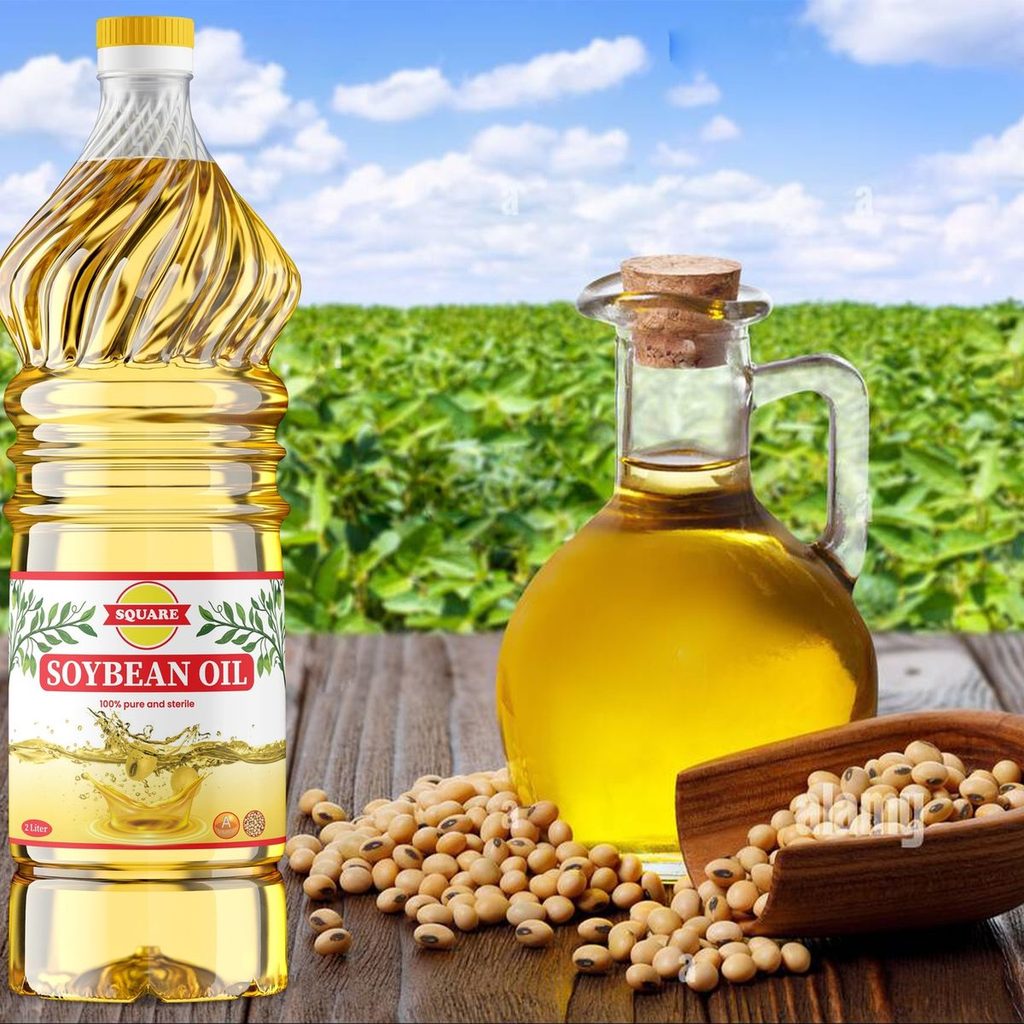
Soybean oil is a widely traded vegetable oil used in commercial kitchens and food processing. Its relatively neutral flavour makes it suitable for frying, baking, sauces, dressings and processed foods.
Buyers should confirm whether they require crude or refined soybean oil and request the relevant product specifications before ordering.
Explore Premium Grade A Soybean Oil for Sale.
3. Canola Oil
Canola oil is produced from specially developed varieties of rapeseed. It is valued for its mild flavour and versatility in cooking.
Restaurants, hotels, catering companies and food manufacturers may use canola oil for frying, baking, roasting and salad preparation.
For commercial sourcing enquiries, view Premium Canola Oil for Sale.
4. Peanut Oil
Peanut oil, also known as groundnut oil, is used for cooking and frying. Depending on its processing method, it may have a mild or more noticeable nutty flavour.
Businesses purchasing peanut oil should consider allergen management, food labelling and the regulations applicable to their destination market.
Discover Wholesale Peanut Oil for Sale.
5. Olive Oil
Olive oil is used in restaurants, hotels, food retail and food manufacturing. It is available in different grades, including extra virgin, virgin and refined olive oil.
Each grade has different characteristics and applications. Buyers should specify the required grade when requesting a quotation.
Explore Grade A Olive Oil for Sale.
6. Palm Oil
Palm oil is widely used in commercial cooking and food manufacturing. It is an ingredient in certain baked products, confectionery, margarine and processed foods.
Buyers should confirm whether they need crude palm oil, refined palm oil or a particular palm fraction. Product specifications, intended use and any sustainability or traceability requirements should be established before purchasing.
Buy Cooking Oil in Bulk: Choosing the Right Quantity
One of the most important decisions when buying cooking oil in bulk is determining how much product your business needs.
Ordering too little may create stock shortages, while ordering too much can increase storage costs and tie up working capital.
Consider the following factors when calculating your order:
Monthly consumption: Review how much cooking oil your business uses or sells each month.
Current inventory: Subtract existing stock from your expected purchasing requirement.
Delivery lead time: Allow enough inventory to cover the period between placing an order and receiving the shipment.
Storage capacity: Make sure your warehouse can safely accommodate the quantity ordered.
Shelf life: Check the manufacturer’s best-before information and ensure that the product can be used or sold within the recommended period.
Expected demand: Consider seasonal demand, new customers, planned promotions and changes in production.
For example, a restaurant chain should estimate consumption across its locations, while a distributor should use sales records and customer orders to plan stock levels.
A sensible purchasing plan should balance commercial pricing with storage capacity and product turnover.
Cooking Oil in Bulk for Sale: Packaging Options
Cooking oil is available in different packaging formats depending on the product, supplier and order size. Choosing suitable packaging helps businesses manage transport, storage, handling and resale.
Retail Bottles
Common retail formats include 500ml, 1-litre, 2-litre and 5-litre bottles. These are suitable for supermarkets, grocery stores and smaller retail outlets.
Food-Service Containers
Larger containers, such as 10-litre and 20-litre formats, may be suitable for restaurants, hotels, catering companies and commercial kitchens.
Industrial Drums
Drums are used for certain commercial and industrial quantities. Buyers should confirm the drum material, capacity, food-grade suitability and handling requirements.
Intermediate Bulk Containers
Intermediate bulk containers, commonly called IBCs, can be used for larger quantities where the product and logistics arrangements support this format.
Flexitanks and Bulk Shipments
Flexitanks and bulk tanker shipments may be suitable for large-volume international orders of compatible products. These arrangements require appropriate loading facilities, transport planning and product-handling procedures.
Before confirming an order, ask the supplier for the exact packaging capacity, net quantity, pallet configuration and container-loading information.
Cooking Oil Bulk Suppliers: How to Find a Reliable Partner
Choosing suitable cooking oil bulk suppliers is essential for businesses that depend on regular deliveries.
A supplier should provide clear product information, realistic commercial quotations and transparent purchasing conditions.
1. Check Product Availability
Identify the oil type and grade you require. Ask the supplier to confirm whether the product is currently available and whether the requested quantity can be supplied.
Online product listings should be treated as an invitation to enquire, not automatic confirmation of stock.
2. Request Product Specifications
Product specifications help buyers confirm that an oil is suitable for its intended use.
Depending on the product, request information such as:
- Product name and vegetable source.
- Crude or refined processing status.
- Appearance, colour, taste and odour.
- Relevant chemical and physical parameters.
- Country of origin and manufacturer.
- Batch identification and traceability.
- Best-before date and storage instructions.
- Applicable food safety documentation.
3. Compare Wholesale Quotations
Request quotations from more than one suitable supplier. Make sure each quotation refers to the same oil type, grade, quantity, packaging and delivery destination.
A useful quotation should include the unit price, currency, total quantity, packaging, delivery terms, lead time and payment conditions.
4. Review Documentation
Depending on the product and destination country, buyers may need a product specification sheet, Certificate of Analysis, certificate of origin, commercial invoice, packing list and other relevant food safety or import documents.
Check destination-country requirements before confirming an international shipment.
5. Evaluate Delivery Arrangements
Ask how the order will be transported and who is responsible for freight, insurance, customs clearance and final delivery.
For repeat orders, discuss expected lead times and how changes in availability will be communicated.
6. Assess Communication
A good wholesale relationship depends on clear communication. The supplier should be able to explain the quotation, product details and purchasing requirements.
Put the agreed specifications and commercial conditions in writing before making payment or confirming shipment.
Cheap Vegetable Oil Bulk: How to Reduce Purchasing Costs
Businesses searching for cheap vegetable oil bulk should focus on achieving a competitive total purchasing cost without compromising product suitability or required quality standards.
Here are practical ways to manage procurement expenses.
Compare Multiple Suppliers
Request quotations from several suppliers using identical product specifications. This makes it easier to identify differences in price, packaging, delivery terms and additional costs.
Select the Correct Product
Do not purchase a more expensive oil grade if your application does not require it. At the same time, avoid choosing an unsuitable product simply because it has a lower quotation.
Plan Larger Orders Carefully
Larger orders may improve unit economics where the supplier offers volume-based pricing. However, calculate storage, financing and stock-turnover costs before increasing your order size.
Review Packaging Options
Different packaging formats have different costs. A restaurant may benefit from larger food-service containers, while a supermarket may require retail-ready bottles.
Choose a format that matches your actual handling and sales requirements.
Coordinate Shipping
For international purchases, freight and handling can form a significant part of the final cost. Ask suppliers to explain the delivery basis and compare the total landed cost.
Avoid Unnecessary Stock
Buying too much cooking oil can increase warehouse expenses and the risk of stock becoming unsuitable before it is sold or used.
Use sales and consumption records to plan sensible reorder quantities.
What Influences the Cost of a Vegetable Oil Bulk Buy?
There is no single universal price for all vegetable oils. The final quotation depends on several market and commercial factors.
Oil variety: Sunflower, soybean, canola, peanut, palm and olive oil have different supply chains and market values.
Product grade: Crude, refined and specialty oils can have different production costs and specifications.
Order volume: Quantity can influence the supplier’s pricing and logistics arrangements.
Origin: Agricultural production, processing capacity, export availability and currency movements can affect prices.
Packaging: Bottles, jerrycans, drums, IBCs and bulk shipments have different costs.
Freight and insurance: International transportation expenses affect the final landed cost.
Market conditions: Crop production, weather, export policies, energy prices and demand from food and biofuel industries can influence global vegetable oil markets.
The FAO’s October 2026 update reported that its vegetable oil price index increased slightly during the month, with different movements among soybean, sunflower, rapeseed and palm oil. This demonstrates why buyers should request up-to-date quotations rather than rely on old prices. <Cite refs={[“turn218097search0”]}/>
The OECD-FAO Agricultural Outlook also identifies food demand, biofuel use and international trade as important influences on vegetable oil markets. <Cite refs={[“turn218097search1”]}/>
How to Calculate the Total Cost of Buying Cooking Oil in Bulk
The product price alone does not always represent the complete purchasing cost.
For imported cooking oil, businesses should consider the total landed cost, which may include:
- Product purchase price.
- Packaging and loading expenses.
- International freight.
- Cargo insurance.
- Port and handling charges.
- Customs duties and applicable taxes.
- Customs clearance.
- Inland transportation.
- Warehouse handling.
A simplified calculation is:
Total landed cost = Product cost + Packaging + Freight + Insurance + Import charges + Other applicable expenses.
To calculate the landed cost per litre, divide the total landed cost by the total litres received. For products sold by weight, calculate the cost per kilogram or metric tonne instead.
When comparing quotations, make sure the suppliers are using the same delivery basis. An FOB price should not be compared directly with a delivered price without accounting for the additional expenses.
Storage and Handling of Cooking Oil in Bulk
Proper storage is important for maintaining cooking oil quality.
Vegetable oil should generally be stored in clean, suitable and sealed containers in a cool, dry place away from direct sunlight, moisture and excessive heat. Always follow the manufacturer’s storage instructions.
Commercial buyers should:
- Inspect containers for leaks or damage.
- Keep containers sealed when not in use.
- Use clean equipment for transferring oil.
- Protect stock from direct sunlight and heat.
- Keep products away from strong odours and contamination.
- Record batch numbers and best-before dates.
- Apply appropriate stock rotation procedures.
- Maintain clean and suitable warehouse conditions.
For large shipments, confirm that the warehouse has enough space and suitable equipment for unloading and handling the selected packaging.
Who Should Buy Cooking Oil in Bulk?
Bulk cooking oil purchasing can benefit several types of businesses.
Supermarkets and Retail Stores
Retailers purchase different cooking oil varieties and bottle sizes for resale. They need reliable inventory planning, retail-ready packaging and clear product labelling.
Restaurants and Hotels
Restaurants, hotels and catering companies use cooking oil for frying, baking and food preparation. Larger packaging formats may be practical for businesses with high daily consumption.
Food Manufacturers
Food manufacturers use vegetable oils in snacks, sauces, dressings, baked goods and other products. They often require precise specifications and consistent product quality.
Importers and Regional Distributors
Importers and distributors purchase commercial quantities for redistribution to supermarkets, grocery wholesalers and food-service businesses.
They must consider shipping costs, customs requirements, documentation and storage facilities.
Catering and Institutional Buyers
Catering companies and institutional kitchens may require regular bulk supplies. Their purchasing plans should account for menus, consumption rates, storage capacity and delivery schedules.
Why Choose Food Beverages GMBH?
Food Beverages GMBH is an international food and beverage trading company established in 2016. The company offers wholesale sourcing enquiries across a range of food and beverage products, including several cooking oil varieties.
For businesses interested in a vegetable oil bulk buy, Food Beverages GMBH provides a point of contact for enquiries about sunflower oil, soybean oil, canola oil, peanut oil and olive oil.
1. Different Cooking Oil Options
The company’s cooking oil category features several edible oil products. Buyers can explore different options according to their intended application, customer requirements and purchasing plans.
2. Wholesale Sourcing Enquiries
Retailers, wholesalers, restaurants, importers and other commercial customers can contact the company to discuss their cooking oil requirements.
3. International Trading Experience
Established in 2016, Food Beverages GMBH operates in international food and beverage trading and serves businesses looking for wholesale sourcing opportunities.
4. Product Information
Buyers can enquire about product specifications, packaging, availability and order requirements before confirming a purchase.
5. Wider Food and Beverage Portfolio
In addition to cooking oil, the company lists other food and beverage products. Businesses interested in sourcing multiple product categories can discuss their wider requirements.
6. Direct Contact for Wholesale Quotations
Customers can provide their preferred oil, quantity, packaging and delivery destination when contacting the company. This information helps clarify the requirements for a wholesale quotation.
Visit the Food Beverages GMBH Cooking Oil Category to explore the listed products.
Contact Food Beverages GMBH:
- Website: https://foodbeveragesgmbh.com/
- Email: info@foodbeveragesgmbh.com
- Telephone: +49 16713 225429
- Address: An der Knippenburg 104, 46238 Bottrop, Germany
Product availability, minimum order quantities, prices, specifications and delivery arrangements should be confirmed directly with the company before placing an order.
Frequently Asked Questions About Vegetable Oil Bulk Buy
1. What does vegetable oil bulk buy mean?
Vegetable oil bulk buy means purchasing edible vegetable oil in larger commercial quantities rather than buying individual retail bottles. It is common among restaurants, supermarkets, wholesalers, importers and food manufacturers.
2. Where can I buy cooking oil in bulk?
You can contact wholesale food trading companies, edible oil suppliers, manufacturers and distributors. Food Beverages GMBH offers wholesale cooking oil sourcing enquiries through its website.
3. Which vegetable oils can I buy in bulk?
Common options include sunflower oil, soybean oil, canola oil, peanut oil, palm oil and olive oil. Availability and packaging depend on the supplier.
4. Is buying cooking oil in bulk cheaper?
Bulk purchasing may offer more competitive unit pricing and shipping efficiencies. However, buyers should calculate the full landed cost and consider storage, handling, financing and stock turnover.
5. What is the cheapest vegetable oil to buy in bulk?
There is no single oil that is always the cheapest. Wholesale prices change according to oil type, crop availability, grade, origin, order size, packaging and delivery expenses.
6. What are cooking oil bulk suppliers?
Cooking oil bulk suppliers provide edible oils in commercial quantities to businesses such as supermarkets, restaurants, food manufacturers, importers and regional distributors.
7. What packaging is available for bulk cooking oil?
Common packaging options include 1-litre and 5-litre bottles, larger jerrycans, industrial drums, IBC containers, flexitanks and bulk tanker shipments for suitable products.
8. Can I buy bulk sunflower oil for resale?
Yes. Supermarkets, grocery stores and wholesale distributors commonly purchase sunflower oil in commercial quantities for resale. Confirm packaging, labelling and product documentation before ordering.
9. How do I get a wholesale cooking oil quotation?
Provide the supplier with the oil type, grade, quantity, packaging preference and delivery destination. Ask for the unit price, total cost, delivery terms and quotation validity.
10. What is the minimum order quantity for cooking oil in bulk?
The minimum order quantity varies according to the supplier, product, packaging format and delivery destination. Confirm the MOQ directly when requesting a quotation.
11. Which cooking oil is suitable for restaurants?
Sunflower, soybean and canola oils are commonly used in commercial kitchens. The best choice depends on the menu, cooking method, flavour requirements and budget.
12. What documents should I request when buying vegetable oil in bulk?
Depending on the product and destination, buyers may request a product specification sheet, Certificate of Analysis, certificate of origin, commercial invoice, packing list and relevant food safety documentation.
13. How do I compare cooking oil bulk suppliers?
Compare suppliers using the same oil type, grade, quantity, packaging and destination. Review product price, total landed cost, documentation, availability, delivery time and communication.
14. Can I import cooking oil in bulk internationally?
Yes, subject to the destination country’s import regulations and the supplier’s ability to arrange the shipment. Buyers should confirm customs requirements, documentation, shipping terms and delivery responsibilities.
15. How should bulk cooking oil be stored?
Store cooking oil in suitable sealed containers in a cool, dry place away from sunlight, excessive heat and moisture. Follow the manufacturer’s storage instructions and monitor best-before dates.
16. Does the type of vegetable oil affect the bulk price?
Yes. Different oils have different production costs, market conditions and processing requirements. Sunflower, soybean, canola, palm, peanut and olive oils may therefore have different wholesale prices.
17. Can restaurants purchase cooking oil in large containers?
Yes. Restaurants and catering businesses can enquire about suitable food-service containers, jerrycans, drums or other available packaging formats.
18. What is the difference between wholesale price and landed cost?
Wholesale price is the quoted product price under agreed commercial terms. Landed cost includes additional expenses such as freight, insurance, import charges and delivery to the agreed destination.
19. How often should a business buy cooking oil in bulk?
Purchasing frequency depends on consumption, sales volume, storage capacity, supplier lead time and product shelf life. Businesses should use inventory records to establish an appropriate reorder schedule.
20. Why choose Food Beverages GMBH for a vegetable oil bulk buy?
Food Beverages GMBH provides wholesale sourcing enquiries for several cooking oil products and operates in international food and beverage trading. Businesses can contact the company to discuss product options, quantities, packaging and delivery requirements.
Conclusion: Find the Right Supplier for Your Vegetable Oil Bulk Buy
A successful vegetable oil bulk buy starts with choosing the right product, calculating your required quantity and comparing suitable cooking oil bulk suppliers. Businesses should consider the oil variety, product grade, packaging, storage requirements, documentation and total landed cost before confirming an order.
Whether you need cooking oil in bulk for supermarkets, restaurants, catering, food manufacturing or wholesale distribution, careful purchasing decisions can help you manage costs and maintain a reliable supply.
Food Beverages GMBH provides wholesale sourcing enquiries for different cooking oil products, including sunflower oil, soybean oil, canola oil, peanut oil and olive oil. Visit the company’s cooking oil category and contact the team with your required product, quantity, packaging and delivery destination to discuss your wholesale requirements.