
Understanding the vegetable oil bulk price is essential for supermarkets, restaurants, food manufacturers, wholesalers, importers and distributors that purchase cooking oil in commercial quantities. Buying vegetable oil in bulk can help businesses manage inventory, plan procurement and obtain more competitive purchasing terms. However, the final price depends on several factors, including the type of oil, product grade, order volume, packaging, country of origin and delivery destination.
Whether you want to buy vegetable oil in bulk for resale, supply restaurants or support a food manufacturing operation, comparing cooking oil wholesale prices carefully can help you make better purchasing decisions.
Food Beverages GMBH provides wholesale sourcing enquiries for several cooking oil varieties, including sunflower oil, soybean oil, canola oil, peanut oil and olive oil. These products serve different commercial applications, making it important to select the right oil for your business.
This guide explains how vegetable oil bulk pricing works, what affects cooking oil wholesale prices, how to compare bulk cooking oil suppliers, which packaging options to consider and how to request a quotation.
What Is the Vegetable Oil Bulk Price?
The vegetable oil bulk price is the commercial cost of purchasing edible vegetable oil in larger quantities rather than buying individual retail bottles. Wholesale prices may be quoted per litre, kilogram, metric tonne, drum, container or other agreed unit.
Unlike supermarket prices, bulk quotations are usually prepared according to the buyer’s order specifications and delivery requirements.
For example, a restaurant purchasing several food-service containers may receive a different quotation from an importer purchasing a full container of refined sunflower oil. The difference can result from order volume, packaging, transportation and commercial terms.
When requesting a vegetable oil bulk price, buyers should provide:
- The required vegetable oil type.
- Product grade and processing requirements.
- Total quantity in litres, kilograms or metric tonnes.
- Preferred packaging format.
- Delivery country and destination.
- Required delivery date or purchasing schedule.
- Any documentation or certification requirements.
Providing this information helps suppliers prepare a quotation that reflects the actual order instead of giving an incomplete indicative price.
Cooking Oil Wholesale Prices: What Determines the Cost?
Cooking oil wholesale prices are influenced by international commodity markets, agricultural production, processing expenses, packaging, logistics and regional demand. Understanding these factors makes it easier to compare supplier quotations.
1. Type of Vegetable Oil
Different vegetable oils have different production costs and market conditions. Sunflower oil, soybean oil, canola oil, palm oil, peanut oil and olive oil should not be treated as interchangeable products when comparing prices.
Their prices can vary according to crop availability, processing requirements, consumer demand and international trade conditions.
For example, olive oil has a different production and quality structure from refined soybean oil. A quotation for one cannot be used as a direct benchmark for the other.
2. Product Grade and Processing
The processing method can significantly affect the cost of vegetable oil.
Common product descriptions include:
- Crude vegetable oil: Extracted oil that may require additional refining before its intended food application.
- Refined vegetable oil: Oil that has undergone processing to improve characteristics such as flavour, colour and suitability for food use.
- Virgin olive oil: Olive oil obtained through mechanical or other permitted physical processes, with quality categories defined by applicable standards.
- Extra virgin olive oil: A specific higher-quality olive oil category subject to defined chemical and sensory requirements.
Buyers should specify the grade they require. A supplier quotation should clearly identify the product so that different offers can be compared fairly.
3. Order Quantity
The total quantity is an important part of wholesale pricing. Larger orders may allow more efficient packaging, handling and shipping arrangements, depending on the supplier and product.
However, buying more does not automatically guarantee the lowest total cost. Buyers should also consider storage capacity, working capital, product shelf life and the possibility of unsold inventory.
Before increasing an order, calculate the quantity your business can realistically store, sell or consume.
4. Country of Origin
The country where the oil is produced or processed can affect its wholesale cost. Agricultural conditions, local production capacity, export availability, currency movements and trade policies all influence international pricing.
Shipping distance and destination-country import requirements can also affect the final landed cost.
5. Packaging and Transportation
Packaging is another important component of the vegetable oil bulk price. Retail bottles, jerrycans, drums, IBC containers and bulk tanker shipments have different production, handling and transportation costs.
The final quotation may also include freight, insurance, port charges, loading and delivery expenses, depending on the agreed trade terms.
6. International Supply and Demand
Vegetable oil is a globally traded commodity. Changes in crop production, export availability, biofuel demand, weather conditions and international trade policies can influence prices.
The OECD-FAO Agricultural Outlook 2026–2035 identifies sustained vegetable oil demand and biofuel use as important factors affecting the global market. The FAO’s October 2026 oilcrops price update also reported that its vegetable oil price index continued to rise, although movements differed between individual oils. This is why buyers should request current quotations instead of relying on old price lists.
Buy Vegetable Oil in Bulk: Which Products Should You Consider?
Choosing the right oil depends on your customers, recipes, manufacturing processes and target market. Below are common products purchased by commercial buyers.
1. Bulk Sunflower Oil
Sunflower oil is widely used in restaurants, food manufacturing, catering and household retail. Refined sunflower oil generally has a mild flavour and is suitable for frying, roasting, baking and everyday cooking.
It is a popular product for supermarkets and cooking oil distributors that want to serve customers looking for versatile edible oil.
View Wholesale Refined Sunflower Oil from Food Beverages GMBH.
2. Bulk Soybean Oil
Soybean oil is a widely traded edible oil used in commercial kitchens and food manufacturing. Its neutral flavour makes it suitable for frying, baking, sauces, dressings and processed food applications.
Businesses purchasing soybean oil should confirm the refining status, specifications, packaging and intended application.
Explore Premium Grade A Soybean Oil for Sale.
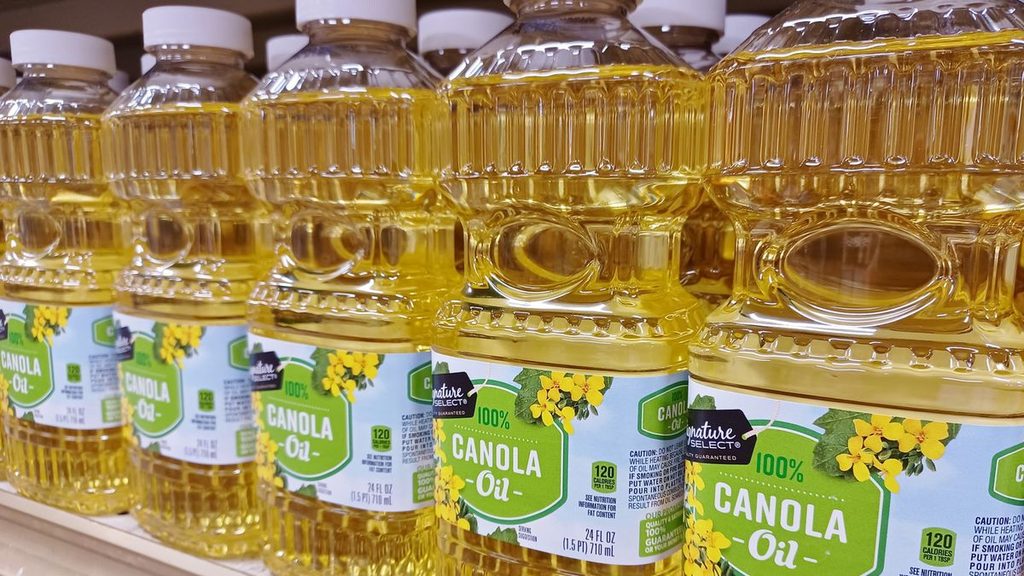
3. Bulk Canola Oil
Canola oil is used in restaurants, catering businesses, food manufacturing and retail distribution. Its mild taste makes it suitable for a variety of cooking applications, including frying, baking and salad preparation.
Buyers should compare the product specification, packaging and price per litre or tonne when evaluating suppliers.
Discover Premium Canola Oil for Sale.
4. Bulk Peanut Oil
Peanut oil, also called groundnut oil, is used in food preparation and commercial cooking. Depending on its processing, it may have a mild or distinct nutty flavour.
Restaurants and food manufacturers should consider allergen controls, product labelling and the requirements of their intended market when sourcing peanut oil.
View Wholesale Peanut Oil for Sale.
5. Bulk Olive Oil
Olive oil is used in restaurants, hotels, food retail and food manufacturing. It is available in several grades, including extra virgin, virgin and refined olive oil.
The grade, origin, processing method and packaging can make a significant difference to the quotation. Buyers should clearly specify the olive oil category they need.
Explore Grade A Olive Oil for Sale.
6. Bulk Palm Oil
Palm oil is widely used in food manufacturing and commercial food preparation. Applications include certain baked products, confectionery, margarine and processed foods.
Buyers should confirm whether they require crude or refined palm oil, the product specification, packaging and any traceability or sustainability documentation required by their market.
How to Buy Cooking Oil in Bulk
Buying cooking oil in bulk requires planning, particularly when ordering from international suppliers. A clear purchasing process helps businesses avoid misunderstandings and control procurement costs.
Step 1: Identify Your Required Oil
Decide which vegetable oil best suits your business. Consider the intended use, customer preferences, cooking temperature, flavour requirements and relevant food regulations.
For example, a supermarket may need several types of cooking oil, while a food manufacturer may require one specific grade for its production process.
Step 2: Calculate Your Required Quantity
Estimate your monthly or quarterly consumption before placing an order. Consider current inventory, expected sales, storage capacity and delivery lead times.
If you are a distributor, use previous sales records to estimate how quickly the stock will move.
Step 3: Choose Your Packaging
Select packaging according to your order volume and handling facilities.
Common commercial packaging options include:
- 1-litre and 5-litre retail bottles.
- 10-litre and 20-litre containers.
- Food-grade drums.
- Intermediate bulk containers (IBCs).
- Flexitanks for suitable large-volume shipments.
- Bulk tanker deliveries where available and appropriate.
Always confirm the actual net volume or weight, packaging material, pallet configuration and loading arrangements.
Step 4: Request Wholesale Quotations
Contact several suitable cooking oil wholesale suppliers with the same product requirements. This makes it easier to compare prices fairly.
A useful quotation should specify the product, grade, quantity, packaging, unit price, currency, delivery terms, destination and quotation validity period.
Step 5: Verify Product Information
Request relevant product documentation before confirming a substantial purchase. Depending on the oil and destination, this may include:
- Product specification sheet.
- Certificate of Analysis (COA), where available or applicable.
- Certificate of origin.
- Batch and traceability information.
- Best-before or expiry information.
- Relevant food safety documentation.
- Packaging and labelling details.
The documentation required depends on the destination country’s regulations and the intended use of the product.
Step 6: Confirm Shipping and Payment Terms
For international orders, clarify whether the quotation is EXW, FOB, CFR, CIF or based on another agreed Incoterm.
These terms determine how costs, delivery responsibilities and risks are allocated between the buyer and seller. Confirm freight, insurance, customs clearance and final delivery responsibilities in writing.
Step 7: Inspect the Shipment
When the order arrives, check the quantity, packaging condition, labels, batch details and accompanying documents. Report any discrepancies promptly and follow the agreed claims procedure.
Cooking Oil Bulk Suppliers: How to Choose the Right Partner
Finding suitable cooking oil bulk suppliers is essential for businesses that depend on regular edible oil deliveries.
A reliable supplier should provide clear product information, realistic quotations and transparent commercial terms.
Product Range and Availability
Choose a supplier that can discuss the oil varieties and specifications relevant to your business. Confirm actual availability rather than assuming that every listed product is immediately ready for shipment.
Transparent Pricing
A professional quotation should explain the product grade, quantity, packaging and delivery basis. Ask about additional charges before confirming the order.
Quality Documentation
Check whether the supplier can provide the product specifications and documentation required for your business and destination market.
Supply and Delivery Planning
Ask about minimum order quantities, expected lead times, shipment frequency and arrangements for repeat orders.
Communication
Good communication helps buyers clarify specifications, understand commercial terms and coordinate deliveries. Make sure that responsibilities and agreed terms are documented.
Commercial Suitability
The best supplier is not necessarily the one offering the lowest quoted price. Consider the complete purchasing arrangement, including quality, availability, packaging, freight, documentation and customer support.
How to Compare Cooking Oil Wholesale Prices
When comparing quotations, make sure each supplier is offering the same product specification and delivery basis.
For example, compare refined sunflower oil with refined sunflower oil, not refined sunflower oil with crude soybean oil.
A useful comparison should include:
| Cost factor | What to check |
|---|---|
| Product price | Cost per litre, kilogram or metric tonne |
| Grade | Crude, refined or specified quality category |
| Quantity | Total order volume and minimum order |
| Packaging | Bottles, jerrycans, drums, IBCs or bulk |
| Freight | Shipping cost to the destination |
| Insurance | Whether cargo insurance is included |
| Customs | Import duties, taxes and clearance charges |
| Delivery | Port delivery or final destination |
| Payment | Currency, deposit and payment conditions |
Understand the Landed Cost
The landed cost is the total cost of bringing the product to the agreed destination, including the relevant purchase and logistics expenses.
A simplified calculation is:
Total landed cost = Product cost + Packaging + Freight + Insurance + Import charges + Other applicable expenses.
To calculate the landed cost per litre, divide the total landed cost by the total litres received, making sure that all quantities and units are consistent.
This calculation gives buyers a more useful comparison than the product price alone.
Packaging and Storage for Bulk Cooking Oil
Proper packaging and storage are important for preserving cooking oil quality.
Vegetable oil should generally be kept in clean, suitable, sealed containers in a cool, dry location away from direct sunlight, moisture and excessive heat. Buyers should follow the manufacturer’s specific storage instructions.
Commercial buyers should consider the following practices:
- Inspect containers for damage and leakage.
- Keep packaging closed when not in use.
- Protect stock from direct sunlight and excessive heat.
- Use clean handling and transfer equipment.
- Keep products away from strong odours and contamination sources.
- Record batch numbers and best-before dates.
- Rotate inventory using appropriate stock management procedures.
- Maintain suitable warehouse conditions.
For large shipments, check that the warehouse has enough space and appropriate equipment for unloading and handling the packaging format.
Who Should Buy Vegetable Oil in Bulk?
Bulk cooking oil purchasing is suitable for several types of businesses.
Supermarkets and grocery stores: Retailers purchase cooking oil in different sizes and varieties for resale to households and smaller businesses.
Restaurants and hotels: Commercial kitchens require regular supplies for frying, roasting, baking and other food preparation.
Food manufacturers: Processing companies use vegetable oil in snacks, sauces, dressings, baked products and other manufactured foods.
Catering companies: Catering businesses may need larger containers to support events, institutional kitchens and regular food-service contracts.
Importers and distributors: International buyers purchase cooking oil in commercial quantities for redistribution to regional wholesalers, supermarkets and restaurants.
Wholesale grocery suppliers: Food wholesalers may include cooking oil in broader product portfolios serving independent retailers and commercial customers.
Why Choose Food Beverages GMBH?
Food Beverages GMBH is an international food and beverage trading company established in 2016. The company offers wholesale sourcing enquiries for a range of food and beverage products, including several cooking oil varieties.
For businesses looking to buy vegetable oil in bulk, Food Beverages GMBH provides a point of contact for enquiries about products such as olive oil, canola oil, soybean oil, peanut oil and refined sunflower oil.
1. Several Cooking Oil Options
The company’s cooking oil category includes different edible oil products, allowing commercial buyers to explore options for retail, food service and wholesale sourcing.
2. Commercial Wholesale Enquiries
Retailers, wholesalers, importers, restaurants and other businesses can contact the company to discuss their product and purchasing requirements.
3. International Trading Experience
Established in 2016, Food Beverages GMBH operates in international food and beverage trading and works with commercial buyers seeking wholesale sourcing opportunities.
4. Product Information
Buyers can enquire about product specifications, packaging, availability and order requirements before confirming a purchase.
5. Broader Food and Beverage Range
The company lists products across multiple food and beverage categories. Businesses interested in sourcing more than one product type can discuss their wider purchasing requirements.
6. Direct Contact for Quotations
Customers can contact Food Beverages GMBH with their preferred oil, required quantity, packaging and destination to request further information and a quotation.
Visit the Food Beverages GMBH Cooking Oil Category to explore the listed products.
Contact details:
- Website: https://foodbeveragesgmbh.com/
- Email: info@foodbeveragesgmbh.com
- Telephone: +49 16713 225429
- Address: An der Knippenburg 104, 46238 Bottrop, Germany
Product availability, minimum order quantities, prices, specifications and delivery arrangements should be confirmed directly with the company before placing an order.
Frequently Asked Questions About Vegetable Oil Bulk Price
1. What is the vegetable oil bulk price?
The vegetable oil bulk price is the cost of purchasing edible vegetable oil in commercial quantities. It may be quoted per litre, kilogram, metric tonne, drum or container, depending on the product and supplier.
2. How much does cooking oil cost wholesale?
Cooking oil wholesale prices vary according to oil type, grade, origin, quantity, packaging and delivery destination. Request a current quotation from suppliers using your exact requirements.
3. How can I buy vegetable oil in bulk?
Identify the oil you need, calculate your required quantity, choose suitable packaging and contact wholesale suppliers for quotations. Review product specifications, documentation and shipping terms before confirming an order.
4. Which vegetable oil is cheapest to buy in bulk?
There is no single vegetable oil that is always the cheapest. Prices change according to global supply, demand, crop production, product grade, origin and transportation expenses.
5. What is the best vegetable oil for wholesale purchasing?
The best product depends on your business. Sunflower, soybean and canola oils are common choices for general cooking applications, while olive, peanut and palm oils serve different food-service and manufacturing requirements.
6. What affects cooking oil wholesale prices?
Important factors include oil variety, processing method, product quality, order volume, country of origin, packaging, commodity-market movements, freight and import charges.
7. Can I buy cooking oil in bulk for resale?
Yes. Supermarkets, grocery wholesalers, retailers and distributors commonly purchase cooking oil in bulk for resale. Confirm that the packaging and product labels meet the requirements of your market.
8. What is the minimum order quantity for bulk cooking oil?
The minimum order quantity depends on the supplier, product, packaging format and destination. Ask for the MOQ when requesting a quotation.
9. Which packaging options are available for bulk vegetable oil?
Common options include retail bottles, large jerrycans, industrial drums, IBC containers, flexitanks and bulk tanker shipments for suitable products.
10. Is buying vegetable oil in bulk cheaper?
Bulk purchasing may provide more competitive unit pricing or shipping efficiencies. However, buyers should calculate the complete landed cost and account for storage, handling, financing and stock turnover.
11. How do I calculate the cost of bulk cooking oil?
Multiply the unit price by the required quantity, then add relevant packaging, freight, insurance, customs and delivery expenses. Divide the total cost by the quantity received to calculate the cost per litre or kilogram.
12. Which cooking oil is best for restaurants?
The best option depends on the menu, cooking method, flavour requirements and operating budget. Sunflower, soybean and canola oils are commonly used in commercial kitchens.
13. Can I buy bulk sunflower oil from Food Beverages GMBH?
You can enquire about the listed refined sunflower oil product through the company’s website. Confirm current availability, order quantities, specifications and delivery arrangements directly with the company.
14. What documents should I request when buying cooking oil wholesale?
Depending on the product and destination, useful documents may include a product specification sheet, Certificate of Analysis, certificate of origin, commercial invoice, packing list and applicable food safety documentation.
15. How should bulk vegetable oil be stored?
Store it in sealed, suitable containers in a cool, dry place away from sunlight, moisture and excessive heat. Follow the manufacturer’s storage recommendations and monitor batch and best-before information.
16. What is the difference between wholesale price and landed cost?
The wholesale price is the quoted product price under specified commercial terms. Landed cost includes the additional expenses required to bring the goods to the agreed destination, such as freight, insurance and applicable import charges.
17. Can cooking oil wholesale suppliers deliver internationally?
Some wholesale suppliers support international shipments. Buyers should confirm destination coverage, freight arrangements, documentation, import requirements and delivery responsibilities before ordering.
18. How can I compare two vegetable oil suppliers?
Request quotations for the same oil, grade, quantity, packaging and destination. Compare product cost, landed cost, specifications, documentation, supply availability, lead time and communication.
19. Is refined sunflower oil suitable for bulk purchasing?
Yes. Refined sunflower oil is commonly purchased in commercial quantities by supermarkets, food-service businesses, distributors and manufacturers. Confirm the required grade, packaging and specification.
20. Why contact Food Beverages GMBH for cooking oil wholesale enquiries?
Food Beverages GMBH offers wholesale sourcing enquiries for several cooking oil products and operates in international food and beverage trading. Businesses can contact the company to discuss product options, quantities, packaging and delivery requirements.
Conclusion: Get a Competitive Vegetable Oil Bulk Price
Finding a competitive vegetable oil bulk price involves more than searching for the lowest product quotation. Businesses should compare the oil variety, grade, quantity, packaging, shipping terms, documentation and total landed cost before choosing a supplier.
Whether you want to buy vegetable oil in bulk for supermarkets, restaurants, food manufacturing or wholesale distribution, clear specifications and careful supplier evaluation can help you control purchasing costs and maintain a dependable supply chain.
Food Beverages GMBH provides wholesale sourcing enquiries for different cooking oil products, including sunflower, soybean, canola, peanut and olive oil. Visit the company’s cooking oil category and contact the team with your required product, quantity, packaging and delivery destination to discuss your wholesale requirements.